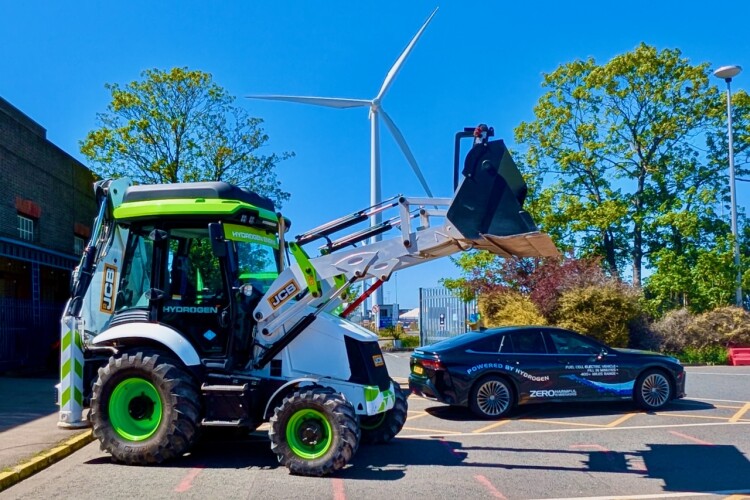
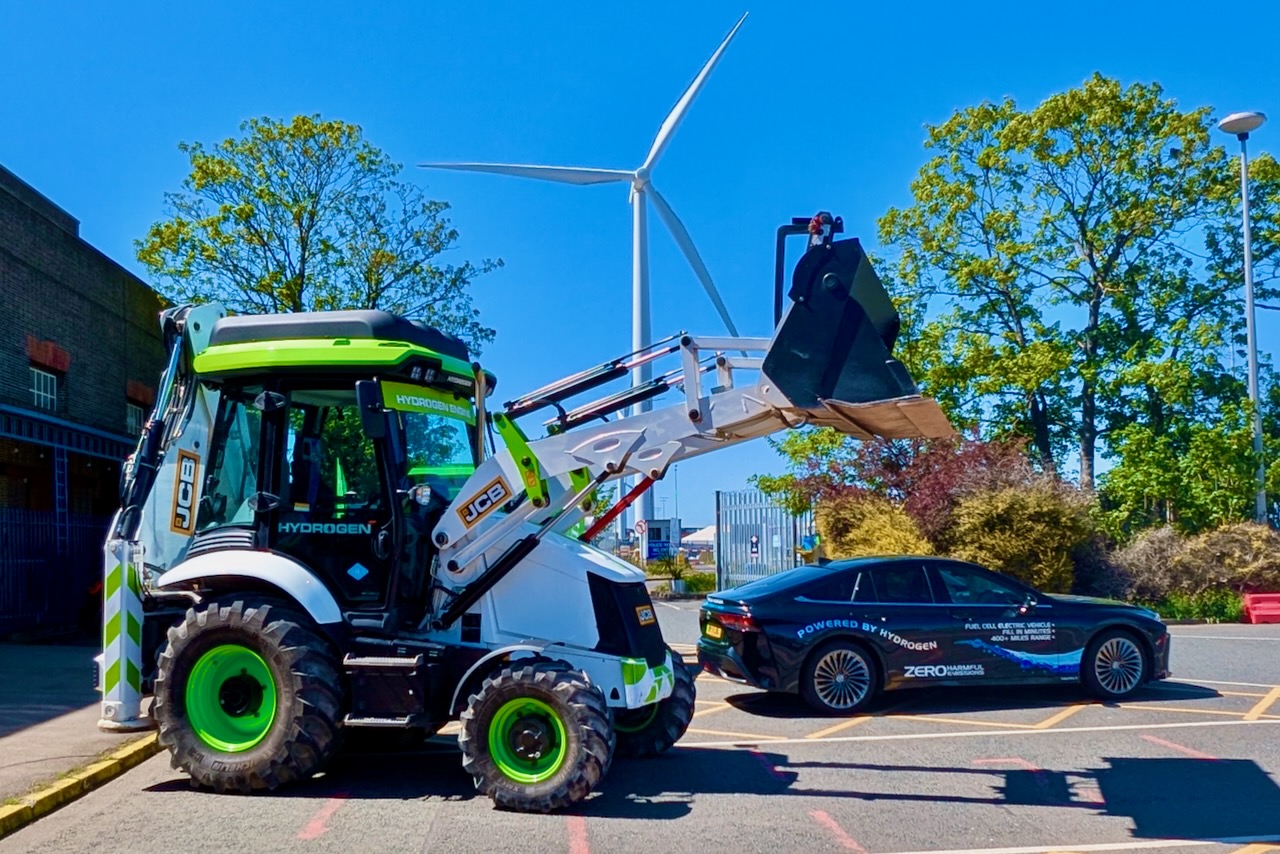
Green hydrogen, produced by GeoPura from renewable sources like wind, is being used by JCB in internal combustion engines for this excavator. Toyota is using the same energy source for fuel cell vehicles, like this zero emissions Mirai.
Flannery Plant Hire is working with Plantforce to develop hydrogen equipment as part of the Department for Energy Security and Net Zero’s Element 1 project.

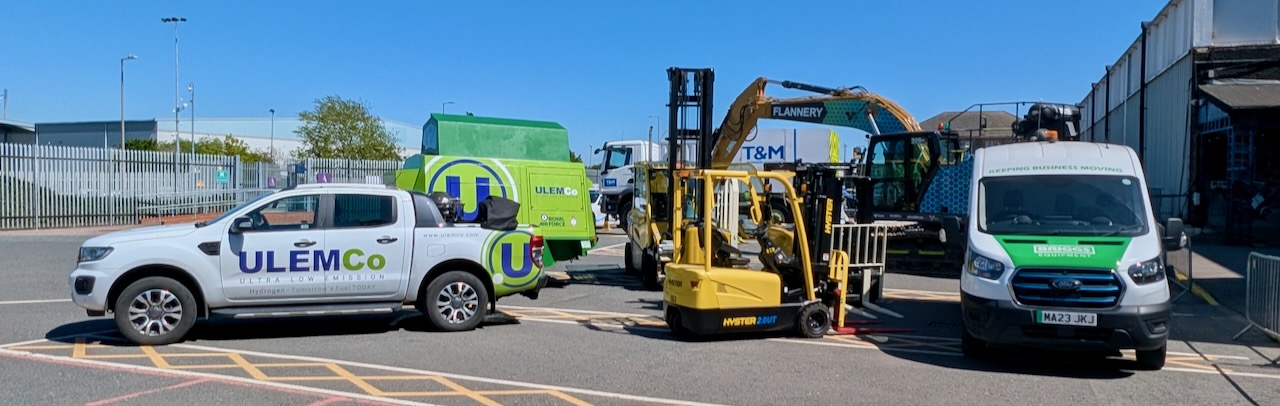
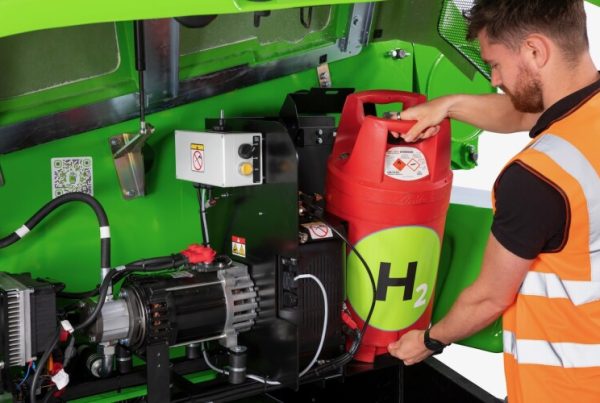
Ulemco is working with T&M Bowser Solutions to develop delivery, storage and supply systems. These can be used to refuel equipment like Plantforce and Flannery’s excavator or Hyster’s lift truck.


GeoPura has supplied a hydrogen generation hub to the Port of Tilbury to support port and maritime equipment. It will also play a key role in delivering National Highways‘ Lower Thames Crossing. The containerised equipment includes electrolysis systems, which use green electricity to produce hydrogen from water; compressors to pressurise the fuel; and refuelling systems to deliver it to vehicles.

A closer look at the electrolysis system used to generate green hydrogen.

The compressor pressurises the gas for storage and use in refuelling.

It can be transported around site in pipe trailers and HPUs, or hydrogen power units. GeoPura recently announced a partnership with Sunbelt Rentals to supply these. With construction sites still facing long delays in connecting to the grid, hydrogen can fuel equipment immediately. One delivery can often support a small site for up to five days.

Hydrogen refuellers can be used for vehicles in the same way—and about the same speed—as a standard pump.

A T&M hydrogen delivery bowser

The process of hydrogen refuelling is almost identical to using a pump.

Toyota has developed a platform for hydrogen fuel cell vehicles. This can be used as the basis for equipment like buses.

The fuel cell platform can also be used in smaller vehicles, like Toyota’s new Hylux flatbed trailer and Mirai cars.
Got a story? Email [email protected]