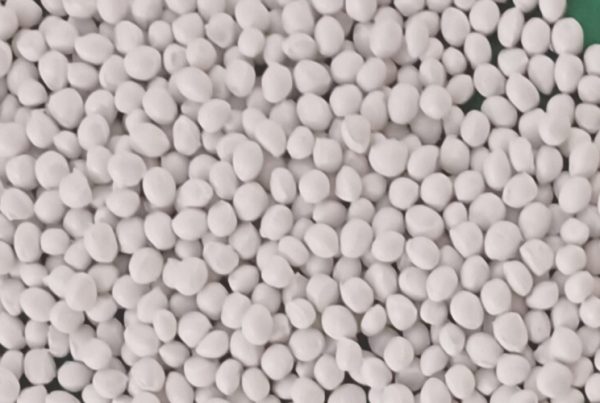
Holcim sourced 28,000t from its own Bardon Hill Quarry, with a further 7,000t from Garside Sands Aggregate Plant. Lagan Aviation used the aggregates delivered by Holcim to produce specially engineered Marshall asphalt, which it then applied to the runway for creating the new surfacing.
The planings removed from the old runway surface were transported to Holcim’s aggregate plant in Croft, to be recycled and used in its circular asphalt products.
The £18 million runway resurfacing programme, which began in November 2025 and was completed in March of this year, marks the first full renewal of the 1.3-mile runway since 2006. Under UK aviation safety requirements, major runways typically require resurfacing every 20 years to remain compliant and safe for aircraft operations.
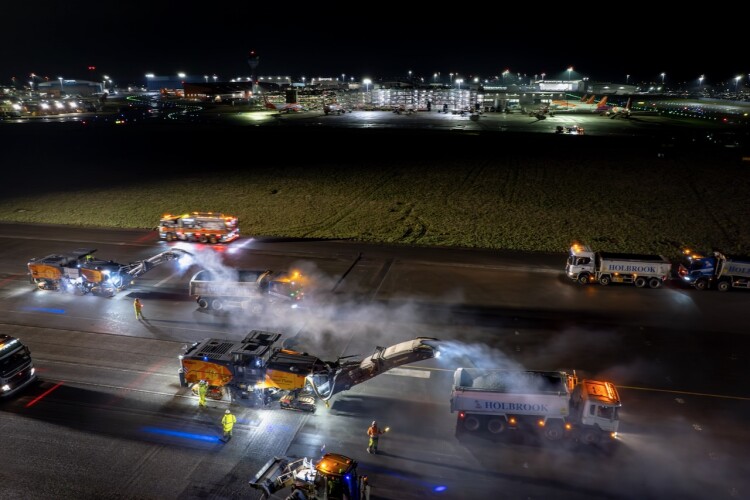
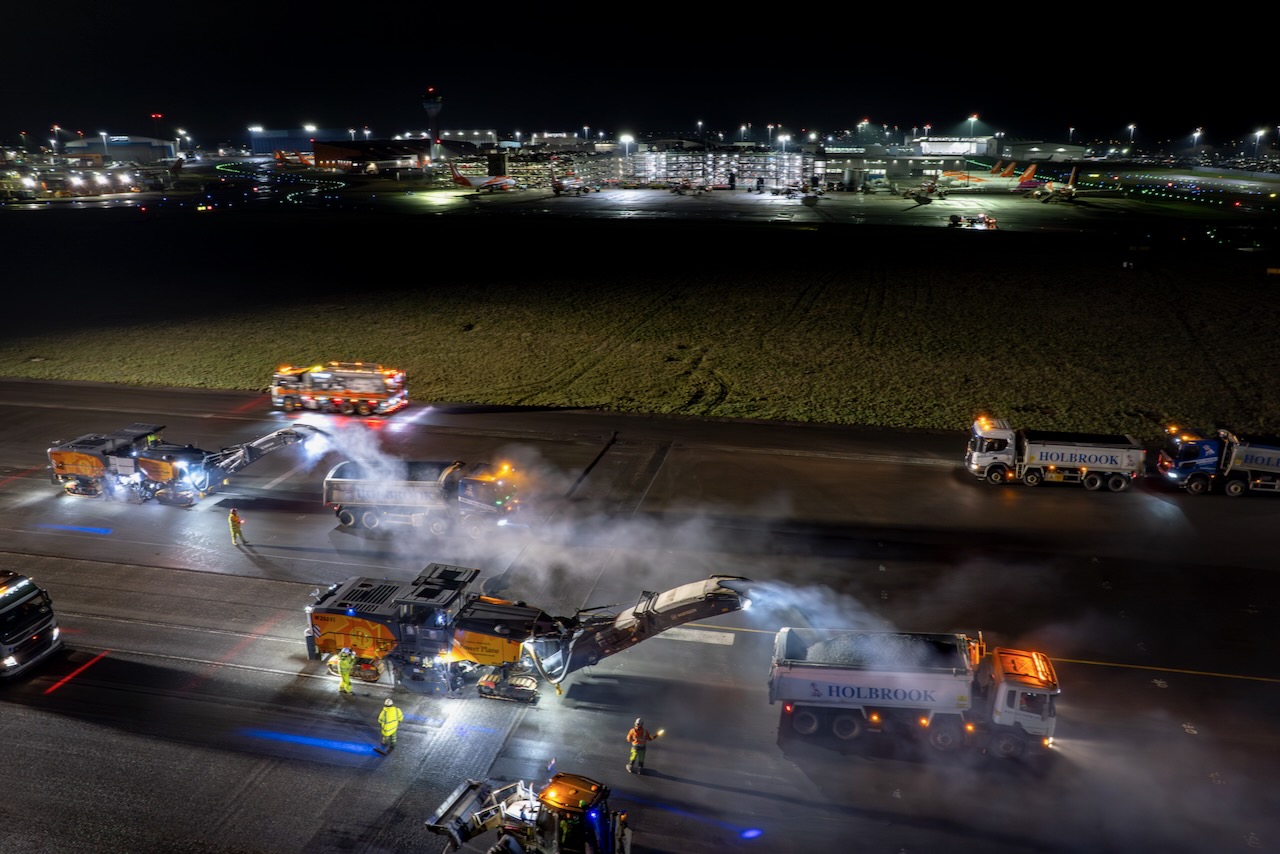
Because London Luton Airport operates around the clock, the construction team worked within a nightly window of only five hours and 44 minutes before the runway was returned to service for the first departures of the morning. This limited access required meticulous planning, precise execution and consistent supply reliability.
Each night, approximately 15 centimetres of the existing surface was removed and replaced with a new high-performance asphalt layer engineered to withstand heavy aircraft loads and varying weather conditions throughout the year.
Got a story? Email [email protected]