OTTAWA — Canada is looking to build up to 10 new nuclear reactors over the next 15 years, sell Candu reactors to more countries and double uranium exports, Energy Minister Tim Hodgson said Monday as he released a new national strategy for nuclear power.
Hodgson called it a plan for a “new civilian nuclear renaissance” as the federal government looks to double the capacity of the electrical grid by 2050.
“If our goal is to double our grid and build a low-carbon economy in less than 25 years, there is no credible plan to do that without nuclear energy and the clean, reliable baseload power it provides,” Hodgson told a news conference in Newmarket, Ont.
“There is no credible plan for Canada to become an energy superpower if we choose not to build upon one of the strongest energy advantages we have.”
The strategy calls for construction to start on two new large-scale reactors by 2035, for five more to be planned or under development by 2040, and for at least one reactor to be under construction outside Ontario by 2035.
It also calls for a Canadian-made microreactor to be finalized by 2035 and deployed to a remote community by the late 2030s.
Taking questions from reporters in Vancouver ahead of the announcement Monday, Conservative Leader Pierre Poilievre said he wasn’t sold on the plan.
“An announcement will not build anything,” he said.
“And this is the problem we’ve had with the Carney Liberals is their promises are being reported on as results and so far there have been no results.”
At a technical briefing for media earlier Monday, an official from Natural Resources Canada said construction of the new reactors could cost more than $100 billion.
The strategy does not say how Canada would pay for them, though the official pointed to the Canadian Infrastructure Bank and the Canada Growth Fund as possible funding sources.
Taking questions from reporters, Hodgson said the strategy would double the 90,000 jobs in Canada’s nuclear sector “over the coming decades.”
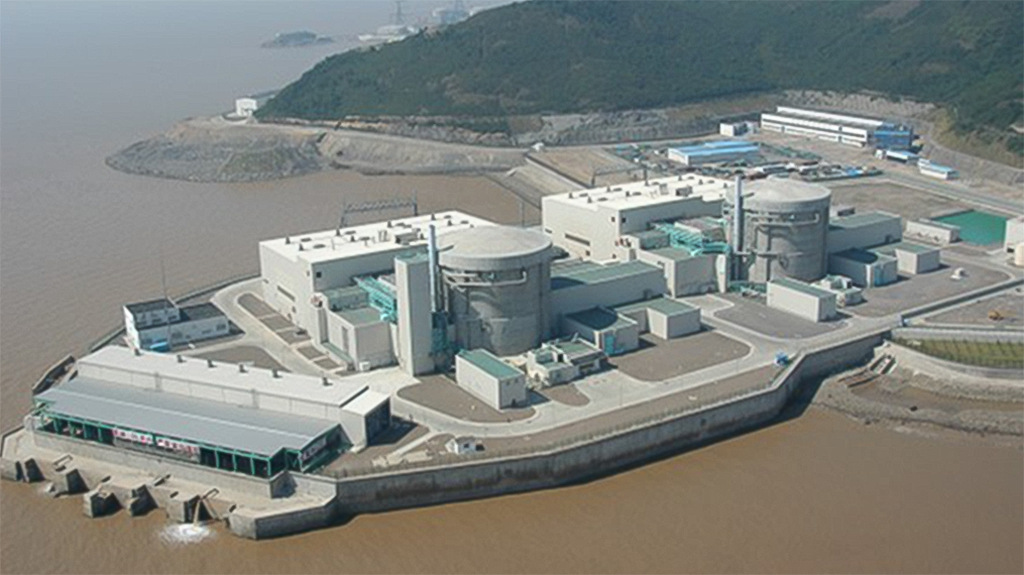
The plan also calls for sales of Candu reactors to new export markets. It says the government wants to break into at least four new international markets by 2040 and “engage six to 10 new nuclear entrant markets over a 15-year horizon, cementing Canada as their partner of choice.”
Thirty Candu reactors currently operate around the world, including in South Korea, China, India, Argentina, Pakistan and Romania, and there are plans to build two more.
The document says Prime Minister Mark Carney was not shown the strategy and government officials said he had no role in developing it due to the ethics screen he has in place.
Carney held options and deferred shares in both the Brookfield Corporation and Brookfield Asset Management that were put into a blind trust after he became prime minister. Candu competes with a reactor model co-owned by Brookfield.
The move to sell Candu to new markets is an attempt to establish Canada as a reliable uranium export partner and to use nuclear energy as a geopolitical lever.
“Reactor exports are not transactional. They establish multi-decade partnerships, creating durable geopolitical and commercial relationships that advance Canada’s broader foreign policy interests,” the strategy says.
“As Canada works to diversify its trading relationships and strengthen ties with middle powers, Candu can be a central instrument of that strategy.”
If Ottawa fails to sell more Candu reactors worldwide, the strategy suggests Canada look into boosting domestic uranium enrichment to fuel other reactors.
Unlike most other nuclear reactors, Candu reactors don’t require enriched uranium. Ottawa says Western allies are turning away from Russia, one of the world’s key suppliers of enriched uranium.
“Canada is uniquely positioned to address this evolving demand, particularly in the upstream uranium stages, but there is also a compelling case for expanding downstream capabilities selectively,” the strategy says.
“The longer-term question of whether Canada should develop domestic enrichment capability remains under assessment. The case would strengthen if the domestic non-CANDU fleet expands considerably, but in the meantime, forming deliberate partnerships with trusted allies — with Canada as the top supplier of uranium — will ensure our fuel security.”
©2026 The Canadian Press