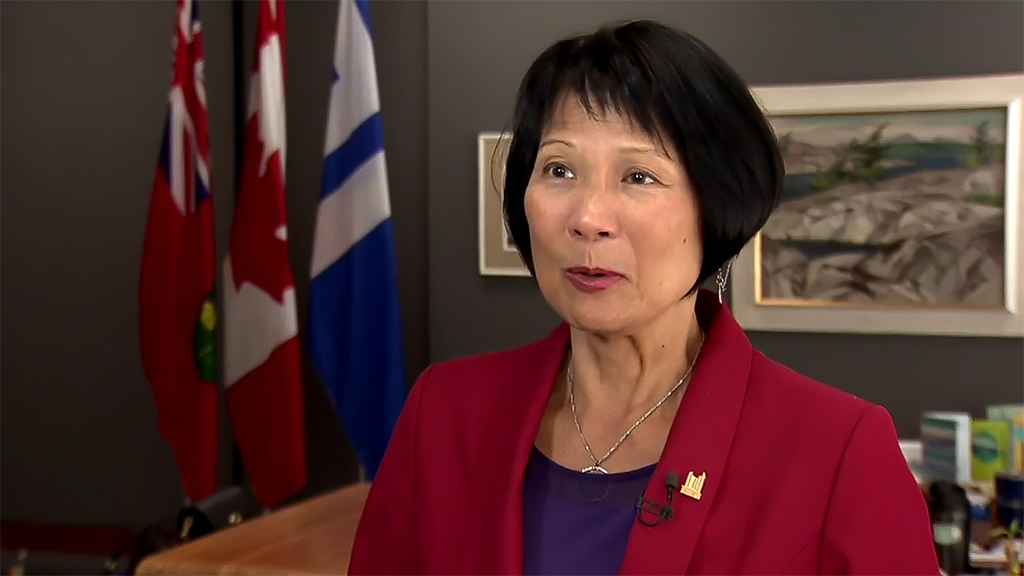
TORONTO – There are two drastically different opinions being shared after Toronto Mayor Olivia Chow advanced a motion to enter into a voluntary recognition agreement with LIUNA Local 183 for work outside the ICI sector.
LIUNA 183 is applauding the decision, saying in a statement it is a “historic step for unionized construction workers across the city.
“Mayor Chow is helping create a fairer system, one that gives more workers access to union representation, workplace protections and the dignity that comes with a union job.”
The Progressive Contractors Association of Canada (PCA) has a starkly different point of view and is urging Toronto City Council to reverse course, stating this decision grants “the union exclusive bargaining rights in the construction sector for residential, heavy construction, road work and sewers and watermain sectors.
“In addition, the motion provides exclusive access to residential work tendered directly by the City of Toronto to another eight other unions, in addition to LIUNA.”
PCA states the motion was brought forward without any stuff input, analysis or debate.
LIUNA Local 183 business manager Jack Oliveira said this decision ensures fair wages, benefits, pensions and a “real voice at work.”
In 2019, the City of Toronto made a similar decision with the ICI sector, which PCA states triggered legal action citing the “violation of fair and transparent procurement policies.”
PCA also noted this latest labour recognition motion was “advanced as part of a discussion on development charge rebates,” which isn’t related to labour and procurement.
“A motion of this magnitude should be debated openly, with proper notice, staff analysis, public consultation, and a clear assessment of the cost to taxpayers. Instead, council buried a major labour procurement decision inside an unrelated debate,” said Karen Renkema, VP Ontario at PCA.
“Toronto is facing enormous affordability and infrastructure challenges. The answer is not to reduce competition or award exclusive rights through political manoeuvring. The answer is open, fair, and competitive procurement that welcomes all qualified contractors and workers, delivers better value, and protects taxpayers.”