In 1978, Vancouver, British Columbia, a city long troubled by unaffordable housing, tried to ease the burden by passing a law that allowed houses to be built on narrow lots carved from properties with generous widths. This practice produced fewer than 100 new buildings before neighborhood associations, concerned that the measure would lead to a decline in property values, pressured the city to shut it down.
One place that had a concentration of these slender dwellings — and led the revolt against them — was Dunbar-Southlands, a community on the city’s affluent west side. It was there that Owen Sturgess, a software company executive, and Heather Gerth, a horticulturist, bought a two-story house on a 12.5-foot-wide lot in 2015 for 940,000 Canadian dollars (about $670,000). The couple had been living in a nearby one-bedroom apartment and craved a detached home in the neighborhood, which was where Mr. Sturgess grew up. The skinny property fit their budget.
And they were happy with it, said Mr. Sturgess, who is now 50: “You get a front yard, you get a backyard, you get everything in a house but just in a smaller footprint.”
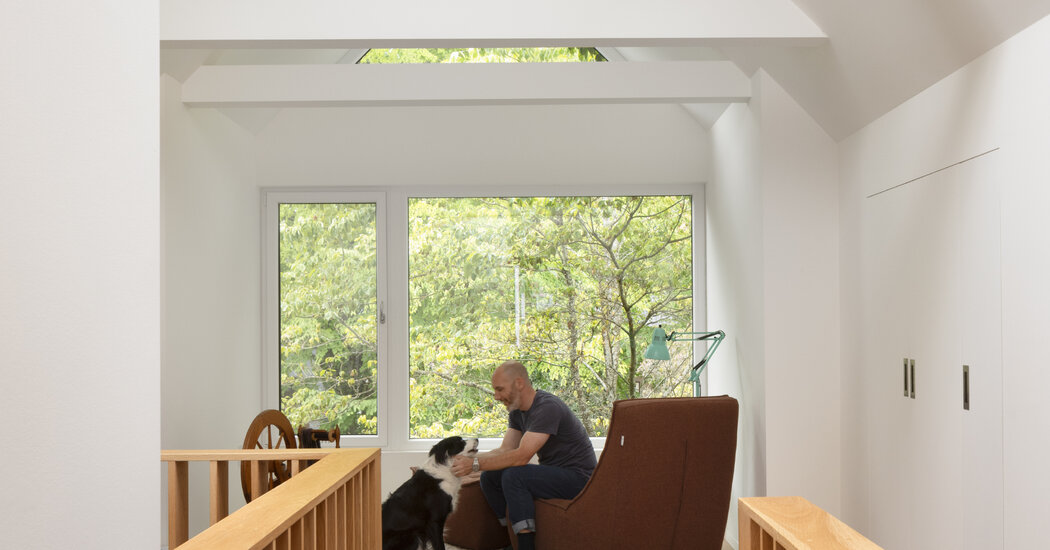
“The light was really good,” added Ms. Gerth, 51. She found it streaming down from skylights in a 12-foot-high beamed ceiling on the upper floor. “That was something from the get-go that we were really drawn to.”