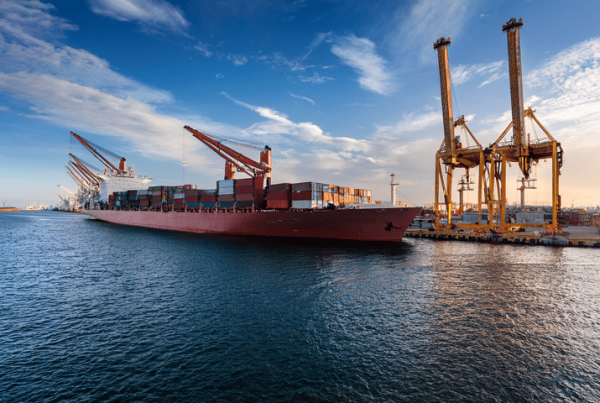
New tariffs would have a substantial impact on America and on world trade at large. (Photo by Devon from Depositphotos.)
WASHINGTON —President Donald Trump has announced a new slate of steep tariffs targeting a wide range of U.S. trading partners, with more set to be rolled out in short order.
The news came as the White House confirmed that it will delay the implementation date of these new levies to Aug. 1.
The updated measures, posted via scanned letters on Trump’s Truth Social account, will replace the existing 10% universal tariff when they go into effect but will be compounded with sector-specific levies such as those on steel and aluminum.
See also:
Imports from Myanmar and Laos will face 40% rates. South Africa will see a 30% tariff, while Kazakhstan, Malaysia, South Korea and Japan will each be subject to a 25% levy.
According to ABC News, Trump plans to sign an executive order Monday formalizing the delay. White House Press Secretary Karoline Leavitt said the administration would also notify 12 additional countries of new tariffs as early as Monday.
“The President and his trade team want to cut the best deals for the American people and the American worker,” Leavitt said, noting that only the United Kingdom, Vietnam and China have reached agreements since Trump vowed in April to secure roughly 90 trade deals in 90 days.
The so-called “reciprocal tariffs” were originally scheduled to take effect Wednesday, July 9, marking the end of a 90-day suspension imposed after Trump’s April 2 Rose Garden announcement triggered a historic $3 trillion stock selloff.
Markets have since rebounded, but many trading partners remain without deals, setting up what analysts warn could be another round of economic volatility.
Treasury Secretary Scott Bessent told CNN on Sunday that the administration will soon deliver letters to nearly 100 countries, warning that without progress, tariffs will “boomerang back” to the original April levels on Aug. 1.
Trump further threatened in a Monday post to impose an additional 10% tariff on nations aligning their trade policies with the BRICS bloc, which includes Brazil, Russia, India and China, although the President did not specify what constitutes alignment or how the administration would police it.
Even with some levies rolled back after legal challenges and ongoing trade talks, Deutsche Bank estimates the current average effective tariff rate stands at about 15%, still far above pre-Trump levels.
Logistics providers continue to warn that the fluid policy environment may disrupt sourcing and customs cost models. As Maersk noted in a recent advisory, sudden tariff hikes are likely to create “significant volatility” for importers struggling to plan inventory and pricing.