With tariffs on Canadian aluminum imports into the United States now at 50 per cent, perhaps it would be appropriate to look at increasing our domestic use of the metal. We make a lot of aluminum. On a global basis, Canada is the world’s fourth largest producer, almost four times greater than the U.S.
Aluminum is used across construction, perhaps more than any other single material. It can be found in structural beams and studs, concrete formwork, building facades, window and door frames, roofing, decorative elements as well as in electrical wiring and various plumbing components.
There are several reasons for aluminum’s widespread use and versatility. The main overall attraction is its impressive strength-to-weight ratio and high resistance to corrosion.
“Aluminium is a truly modern material,” says Hydro, an international aluminium and renewable energy company.
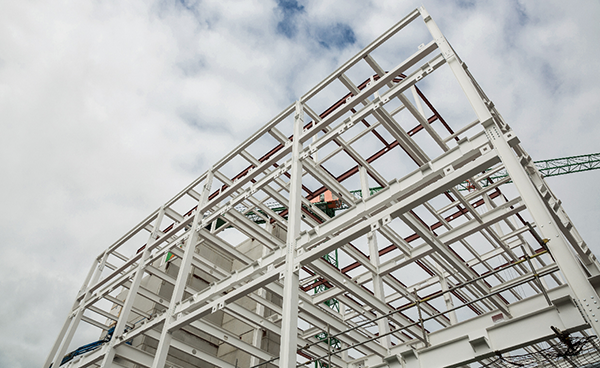
Structurally, aluminium’s lightweight and durability, combined with its strength, results in buildings that are exceptionally strong yet weigh only one-third that of steel. Aluminium’s high strength-to-weight ratio results in a reduced load on a building’s supporting structure, Hydro explains, which in turn reduces other material requirements and therefore overall costs.

Aluminum alloy mixes that often includes copper, manganese, magnesium and zinc can be tailored and enhanced for specific applications or to support uniquely designed shapes. In exposed circumstances, aluminum can be anodised, powder-coated or painted in a variety of colours. The surface can be fabricated with different patterns and textures, thereby offering numerous possibilities for residential or commercial applications that suit the most ambitious designers.
Aluminum is highly fire-retardant as well, and has been tested and found to meet the criteria for non-combustibility, according to standards like ASTM E136 and CAN4-S114, making it a popular choice for thin exterior cladding panels.
Aluminum is sometimes criticized for the high energy intensity required for its primary production and the resultant carbon emission implications. However, aluminum has environmental benefits that can be seen over time. In fact, it is one of the most sustainable construction materials available.
According to the U.S.-based Aluminum Group, the metal’s durability delivers more than a 70-year lifespan in most building applications. However, aluminum’s life after the original purpose is the big attraction to those concerned about emissions and circular construction.
Some estimates suggest 90 per cent of all aluminum used in construction is recycled, with reforming and repurposing needing only five per cent of the energy required for its primary production. The recycling process can be repeated over and over again, helping to make aluminum a material of choice for architects, designers and clients seeking environmentally friendly options for their projects.
In fact, aluminum materials help building projects qualify for green building status under the Leadership in Energy and Environmental Design standards.
The reuse of aluminum components, as opposed to recycling and reforming, is another key feature.
For example, aluminum competes with Cold Formed Steel (CFS) and wood in concrete formwork. Although initial costs for aluminum are higher than CFS, the payoff comes over time.
Chinese construction material manufacturer AJ Building says aluminum formwork can be reused more than 200 times while maintaining a high quality standard. In comparison, steel formwork is usually reused 50 to 100 times and traditional wooden formwork only four to six times.
As reported by Reuters, a number of leading economic forecasting organizations see a bright, shiny future for aluminum.
The International Aluminium Institute projects overall global demand for the metal will increase by almost 40 per cent by 2030. The World Bank identifies aluminium as a “high-impact” and “cross-cutting” metal in all existing and potential green energy technologies from solar to geothermal.
Specific to the building industry, a report conducted for the Aluminum Association in 2024 concluded aluminum use in the U.S. building material market alone would likely increase around nine per cent by 2027 over 2022 volumes, led by growth in non-residential construction.
Of course, that projection was issued prior to the announcements of 50 per cent tariffs on Canadian aluminum, the U.S.’s main supply source, making it increasingly costly for American builders. In Canada, the same opportunities for increased aluminum growth in construction apply with the added advantage of bounteous domestic supply.
John Bleasby is a freelance writer. Send comments and Climate and Construction column ideas to [email protected].