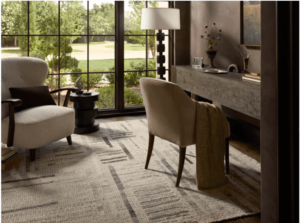
The LHRC developed a circadian lighting prototype for the Swedish Energy Agency, which included modes for day, downlight only and night.
PORT WASHINGTON, N.Y. – WAC Group hosted a webinar on human-centric lighting earlier this week. The company’s director of business development, Patrick Laidlaw spoke with Mariana Figueiro, PhD., professor and director from the Mount Sinai Light & Health Research Center in New York. Highly technical yet engaging, the discussion focused on circadian lighting, and there were several interesting takeaways for lighting manufacturers, retailers and interior designers interested in this wellness-related segment of the lighting business.
The circadian system is a 24-hour system, overseen by a master clock in the brain. When there are no external cues (if you lived in a cave, for instance), you will continue to have circadian rhythms, but over a period slightly greater than 24 hours.
So light is the primary synchronizer of circadian rhythms; humans synchronize daily to the local time on earth, every day. We all know how critical sleep is for overall health, and more daytime light leads to better sleep. Current circadian lighting practice recommendations for good sleep are high light levels in the morning, low levels in the evening and darkness at night.
But how much and what color of circadian-effective light do we need?
According to the most recent studies, said Figueiro, illuminance levels play a larger role in circadian stimulus than CCT (correlated color temperature). So, if you don’t have the budget for tunable lighting, it’s ok — you can use a dimmer, for example.
Light also affects mood and improves cognition in individuals with mild cognitive impairment, according to Dr. Figueiro. This is a new finding. Light also increases alertness during the day and at night, but it does not have to be blue light. Studies show that red light can have an acute alerting effect without suppressing melatonin levels, she said.
In the future, said Figueiro, every person may have an app and a lighting system in their home, hospital or school that will deliver individualized lighting solutions (in other words, light for you and only you), which is an intriguing concept.
This week’s webinar laid the groundwork for an Oct. 7 presentation on how to implement these concepts. You can register for that session here.