By Nancy Fire
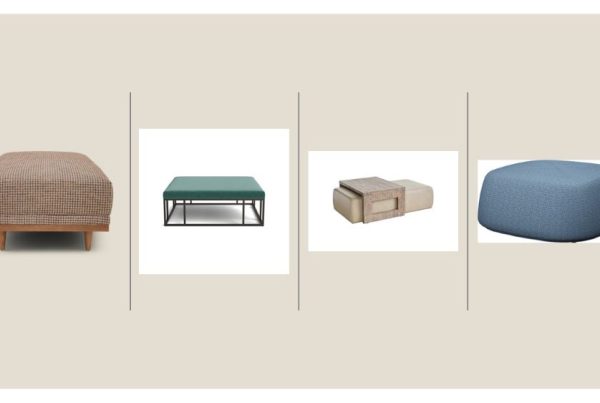
Sustainability 2026 is providing designers far more options in the home industry than ever before with many materials that perform better, last longer, and happen to be kinder to the planet in the process. This month let’s focus on cork, wood and leather materials and how they translate into home accent products.
Lets start with sustainable cork, a highly sustainable material because its natural, renewable and harvested without cutting down cork oak trees, which continue to grow and absorb significant CO2, making cork production carbon-negative. It’s also biodegradable, durable, insulating and nearly every part of the harvested bark is used or recycled.

Wood is a highly sustainable material due to its renewability, low embodied energy, carbon sequestration properties and recyclability — especially when sourced from responsibly managed forests with certifications like FSC or PEFC-supporting circular economies that reduce reliance on high-emission materials like steel and concrete. It offers superior insulation, durability and potential for innovation, creating healthier, energy-efficient buildings with a smaller environmental footprint.

Vegetable-tanned leather is generally considered a more sustainable choice than chrome-tanned leather because it uses natural tannins, avoids harsh chemicals, creates biodegradable products, and repurposes meat industry by-products, reducing landfill waste; however, its sustainability depends heavily on responsible tanning sourcing and water management. This leather breaks down more readily in the environment compared to synthetic or chrome-tanned leather. It creates a tough, high-quality leather that develops a rich patina, so the product lasts longer, reducing the need for replacement.

Nancy Fire is the founder of Nancy Fire Designs and a HAT trend ambassador.