CALGARY, ALTA.– Energy Alberta has entered into a collaboration agreement with Bruce Power that is focused on the Ontario company sharing its experience, high‑level frameworks and lessons learned.
“It also builds on the Canada-Alberta Memorandum of Understanding around energy and a commitment within it to collaborate to develop a nuclear generation strategy to build and operate a competitive nuclear power site that can serve the Alberta and inter-connected markets by 2050,” a release reads.
Energy Alberta’s proposed Peace River Nuclear Power Project is in the planning phase of the regulatory process. The company expects the first phase of the project to be in operation by 2035.
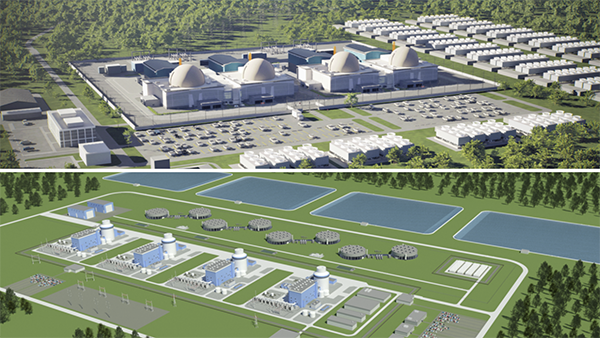
It is currently looking to advance licencing for the four-unit, 4,800 MW facility.
Energy Alberta is seeking Bruce Power’s perspective on governance models, regulatory considerations and how nuclear generation would complement Alberta’s existing and future energy mix.
The company operates one of the world’s largest nuclear generating sites and also hosted the country’s first commercial reactor, Douglas Point. Currently eight CANDU reactors are undergoing life‑extensions.
“Fifteen years ago, Bruce Power itself undertook extensive feasibility studies to evaluate options for new nuclear development in Alberta, work that helped shape its current approach to long‑range planning, regulatory readiness, and community and Indigenous engagement,” the release reads.
The latest agreement enables structured information‑sharing on topics such as early‑stage project frameworks, regulatory pathways, Indigenous and stakeholder engagement approaches, and lessons learned from operating and planning nuclear facilities in Canada.
The collaboration does not include a commitment to development, timelines or specific technologies.