Skanska announced on March 20, 2026, that it signed a contract with The Texas A&M University System, a repeat client, to construct a new Biology Teaching & Research building in College Station, Texas.
The contract is worth $165 million.
The project is slated to begin in spring 2027 and is expected to be completed in spring 2029.
The new approximately 17,200 square-meter facility is designed to transform life sciences education and research on campus.
It will replace several outdated biology buildings with an environment that supports the next generation of scientific discovery and advances both teaching and research. The center will feature research laboratories, active-learning classrooms, immersive technology spaces and dedicated collaboration zones to support advanced biological and biomedical research.
Biology is one of the fastest-growing areas on campus, according to the university, with 2,400 majors and more than 20,000 students enrolled in biology courses each year.
“This was 30 years in the making,” Alex Keene, biology professor and department head, who is co-leading the project with Distinguished Professor of Biology Deb Bell-Pedersen said in an October 2025 university press release. “The building is being designed to be the heart of life sciences at Texas A&M — a one-of-a-kind facility that integrates research and teaching in ways few universities can match.”
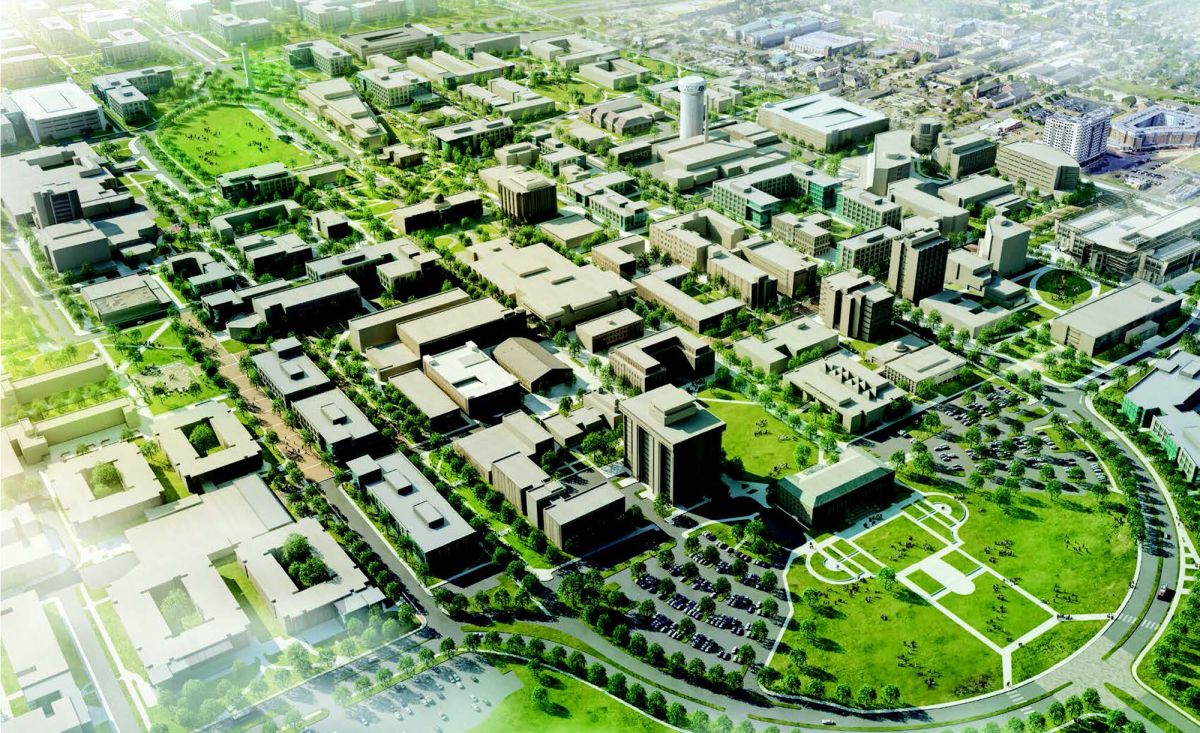
The building, which will be located on East Campus within the historic core, will replace outdated facilities — some more than 70 years old — with next-generation classrooms, active-learning spaces and flexible research laboratories.
In the design process, project leaders, including the architect, traveled around the country looking at other academic buildings, noting what would work or could be uniquely adapted to fit the needs of Texas A&M, according to the university.
The building will feature collaborative environments where students and faculty work side by side, fostering interdisciplinary breakthroughs in areas such as synthetic biology, regeneration and repair, biological timing and environmental resilience. ♣