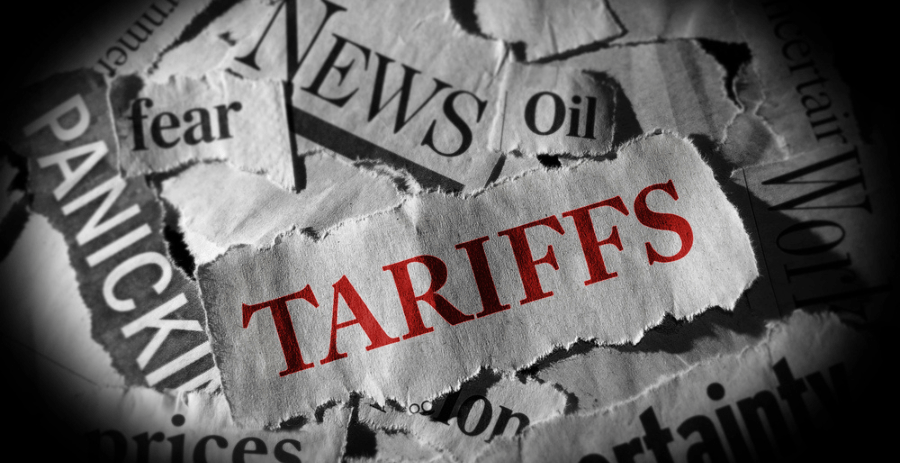
The federal government has begun returning billions of dollars in tariff payments to U.S. importers following the Supreme Court’s decision earlier this year striking down a range of tariffs imposed under the International Emergency Economic Powers Act, or IEEPA.
According to recent court filings and as reported in the Guardian, U.S. Customs and Border Protection has already processed more than $20 billion in refunds, with tens of billions more expected in the coming months.
Estimates of the total refund liability range from roughly $130 billion to as much as $175 billion.
The refunds stem from the Supreme Court’s February ruling that President Donald Trump exceeded his authority when imposing sweeping tariffs under emergency powers without congressional approval. The decision invalidated tariffs affecting imports from China, Canada, Mexico and a broad range of other trading partners.
CBP launched its Consolidated Administration and Processing of Entries, or CAPE, refund system in April to begin handling claims from importers. The agency initially limited refunds to certain unliquidated entries and entries within 80 days of liquidation as part of a phased rollout.
Reuters previously reported that the first wave of refunds was expected to begin around May 11. Court filings later showed that millions of entries had already moved into the refund pipeline.
Large retailers, manufacturers and logistics companies have reportedly sought refunds, including Walmart, General Motors and FedEx.
At the same time, the process has faced complications. CBS News reported earlier this month that roughly 15 percent of submitted refund claims had been rejected because of filing issues or incomplete information. Other importers have complained about delays and a lack of transparency surrounding payments.
The refunds apply specifically to tariffs imposed under IEEPA and do not cover Section 232 tariffs, Section 301 tariffs or anti-dumping duties.
Despite the court ruling, the Trump administration has continued pursuing other tariff mechanisms, including temporary duties under Section 122 of the Trade Act of 1974 and potential future Section 301 actions.