After five decades of debate, political battles and legal challenges, the State of Alaska has secured the final federal approval needed to begin construction of a 19-mile single-lane gravel road that would link the isolated fishing village of King Cove with neighboring Cold Bay.
However, as operators of heavy equipment were preparing to break ground, three Western Alaska tribal governments and several environmental groups filed lawsuits to block the project near the western tip of the Alaska Peninsula, as it would run through the ecologically significant Izembek National Wildlife Refuge wetlands.
The road has long been one of Alaska’s most significant transportation and public safety priorities. It is important as it would provide dependable ground access and link King Cove with an airport in Cold Bay that features a 10,000-foot-long all-weather runway that is critical for medical evacuations.
But the road cuts through the heart of the wildlife refuge, a 315,000-acre protected area internationally recognized for its wetlands and migratory bird habitat. Biologists say the project would affect habitat used by Pacific black brant and emperor geese, among other species. It is also one of the world’s most important staging and wintering areas for migratory birds.
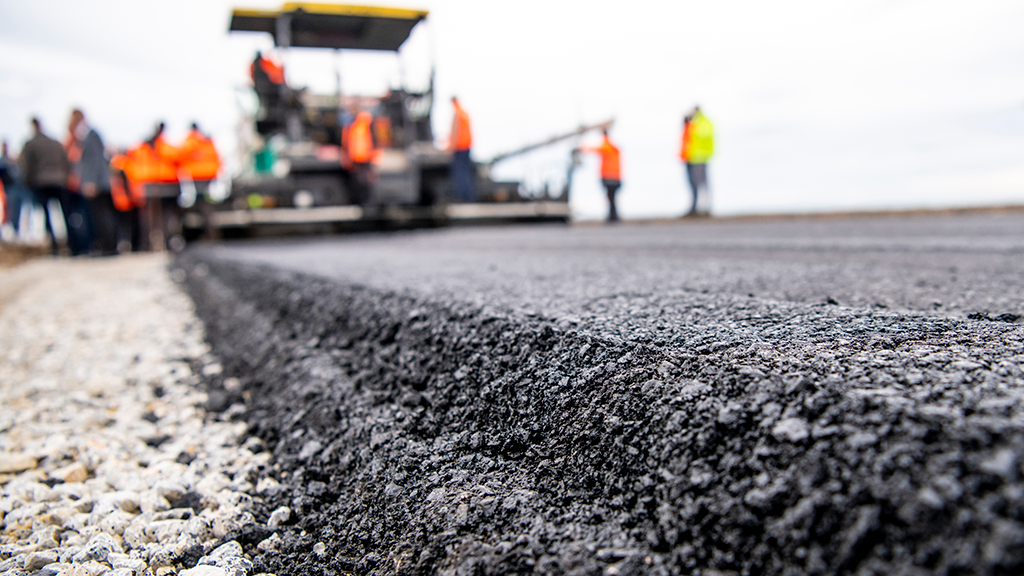
The proposal calls for a 13-foot-wide gravel road with 113 vehicle turnout spaces, roughly 85 drainage culverts and one bridge. Construction would involve the placement of up to 40,000 cubic yards of gravel and fill material, affecting wetlands and stream channels inside the refuge.
The case pits supporters of the project, who maintain the road represents long-overdue infrastructure that could save lives in one of Alaska’s most remote regions, against those who see it is a test of whether federally protected wilderness and globally significant habitat can be sacrificed for development.
It will now be up to the courts to decide whether one of Alaska’s most controversial transportation projects finally moves forward or remains mired in a decades-long legal battle.
A crucial step toward construction occurred in October 2025, when the U.S. Department of the Interior approved a land exchange with the King Cove Corporation, which would own the road. Under the deal, the feds would transfer approximately 490 acres of refuge land needed for the transportation corridor.
In return, the corporation agreed to convey 1,739 acres of land considered to have high conservation value. It also relinquished selection rights to 5,430 acres within the refuge under the Alaska Native Claims Settlement Act, while retaining the ability to select equivalent acreage elsewhere.
On July 10, the U.S. Army Corps of Engineers (USACE) issued a Clean Water Act Section 404 permit to the Alaska Department of Transportation and Public Facilities, the final federal authorization required for construction. The USACE evaluates permit applications for most construction activities in wetlands and waterways of the U.S. A permit is also required for the discharge of dredged or fill material in waters of the U.S., including wetlands.
State officials said mobilization would begin immediately, with work expected to start within about 30 days.
Ryan Anderson, commissioner of the Alaska Department of Transportation and Public Facilities, declared the project will improve transportation for the community while also creating local jobs and workforce development opportunities for the people of King Cove.
Secretary of the Interior Doug Bergum said the people of King Cove have advocated for a road for over 50 years.
“This project is about more than just infrastructure – it is about saving lives, increasing subsistence opportunities, connecting communities, and addressing the essential needs of residents while supporting sustainable economic opportunities and wildlife refuges.”
However, two separate lawsuits were subsequently filed in U.S. District Court in Anchorage in late July. One suit was brought by the Native Village of Hooper Bay, Native Village of Paimiut, Chevak Native Village and the Center for Biological Diversity. A second was filed by Friends of Alaska National Wildlife Refuges, the Alaska Wilderness League, the National Wildlife Refuge Association, the Sierra Club and Wilderness Watch.
The plaintiffs argue the Army Corps of Engineers illegally issued the permit without adequately considering the environmental consequences of the project. They contend federal agencies violated several laws, including the Clean Water Act, National Environmental Policy Act, Alaska National Interest Lands Conservation Act and, in the tribal lawsuit, provisions of the Endangered Species Act.
Environmental organizations maintain the corps failed to properly evaluate alternatives and ignored previous findings about the ecological sensitivity of the refuge.
The tribal governments frame the issue not only as an environmental concern but also as a subsistence and cultural one. Their lawsuit argues damage to migratory bird populations could have serious consequences for Indigenous communities that rely on geese for food.
“The citizens of the Native Village of Hooper Bay harvest black brant and emperor geese in the spring after they have fattened up in Izembek,” lawyers for the plaintiffs argue in their brief. “They also harvest black brant, emperor geese and cackling geese before the birds migrate south to feed in Izembek in the fall.
“These geese provide critical nutrition in the spring and fall and help the Native Village of Hooper Bay’s citizens sustain their connections to the land, each other, and their shared cultural traditions.”