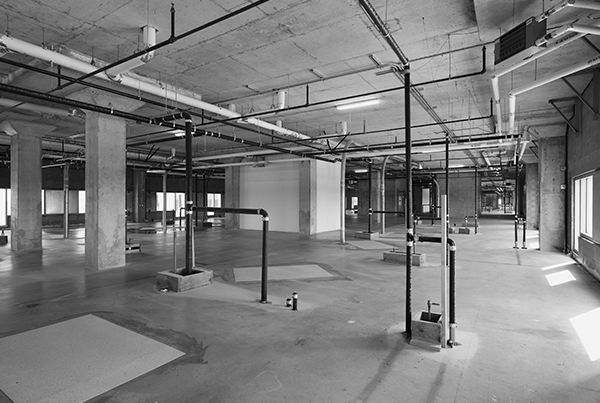
Construction sites are among the riskiest workplaces in Canada.
According to ESC Environmental Group, over 35,000 construction workers were injured in 2024 and 872 died. Inadequate fall protection and improper use of safety equipment were common contributing factors.
Successfully managing a construction project means ensuring safety and reducing the risk of mishaps. Studies indicate an increasing number of contractors are turning to various technologies linked by Artificial Intelligence (AI) to help.
According to the Association of Builders and Contractors Carolinas (ABCC), companies have reported incident reductions of up to 50 per cent through the use of AI. Motive, a San Francisco-based technology company, says in their 2024 Physical Economy Outlook report 40 per cent of construction leaders believe AI is actively improving worker safety.
AI is able to link different individual technologies used on a construction site that together can lead to a better understanding of potential risks. AI enhances its decision-making through continuous learning and processes project data at super-human speed, refining its predictive accuracy over time.
For example, AI can analyze vast quantities of historical and current weather data in the site area. It can then use that collected information to predict impending weather events and the associated potential safety risks and cost overruns accurately. AI can go even further and send alerts to managers suggesting project schedule adjustments.
Beyond the scope of environmental predictions and warnings, AI can bring together real-time data gathered by several onsite devices.
For example, AI can work with 360° cameras in vehicles to enhance collision avoidance, helping crews navigate high-risk environments with fewer blind spots and better visibility. It can warn operators and pedestrians when separation distances are breached and even flag repeat high-risk operators for additional training.
Fixed cameras, 360° cameras used during walk-throughs, drones that capture aerial imagery, sensors and dashcams can create thousands of labeled images that monitor safety compliance.
Many forms of physical risks can be identified, such as missing barrier tapes, gaps in scaffold components and site debris. AI can bring together a level of monitoring, reporting and alerts well beyond what is possible by a human.
Perhaps the most critical safety issue onsite is the matter of Personal Protection Equipment (PPE). In fact, some studies indicate between 70 to 80 per cent of fall incidents onsite are due to a lack of PPE. AI cameras can identify when a worker fails to wear the correct safety gear and give supervisors timely alerts for prompt intervention.
Wearable devices are another key part of what AI technology can bring to site safety.
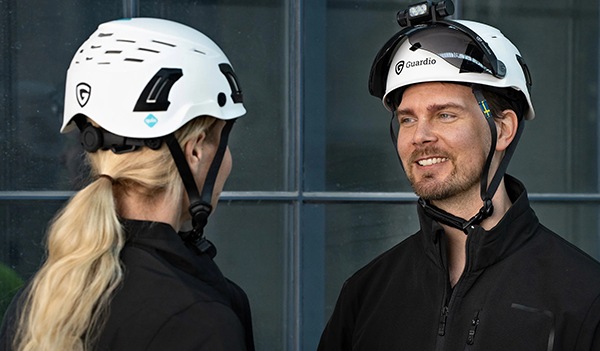
Smart helmets, boots, belts, biometric garments and wristbands equipped with sensors can continually monitor vital signs and levels of fatigue and hydration.
The real-time alerts created by AI can enhance worker safety by recommending hydration and shade breaks or task rotation. Voice-activated alerts can also be incorporated, allowing workers to stay hands-free while issuing or responding to potential risks. AI can then instantly process these requests and trigger appropriate safety measures.
AI can even detect incorrect body mechanics and posture. Earlier ergonomic intervention can help prevent musculoskeletal disorders, thereby extending careers and reducing disability risks.
Over time, AI can use algorithms based on the information gathered from various cameras and wearables to develop trend data that reveal which tasks, trades or shifts consistently push the limits or have caused previous incidents and near misses. From this, AI can anticipate safety hazards, identify patterns and predict high-risk situations.
From a management perspective, documentation becomes easier. The ABCC suggests AI can take the data gathered and, by using generative AI tools like LLMs, “draft Job Safety Analyses, create site-specific safety plans based on company templates, and generate toolbox talk content tailored to recent incidents or upcoming high-risk activities.”
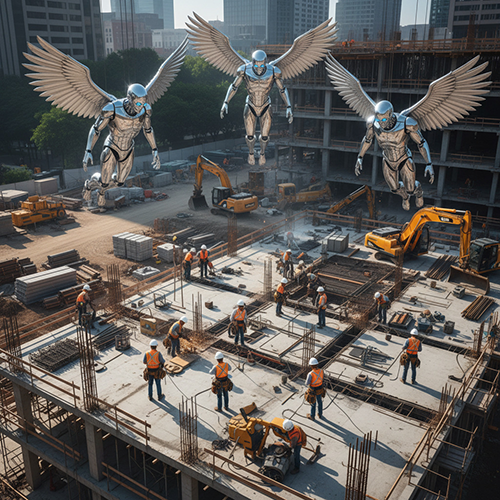
At the same time, humans are indispensable throughout the process. While AI is brilliant at transforming raw jobsite data such as video feeds, access logs, equipment telemetry and weather conditions into alerts, the need for humans to interpret and make informed decisions based on AI-generated insights is vital. Safety managers, foremen and HSE directors neither can nor should be replaced by computers.
For example, the ABCC says using AI-generated reports, “issues from the previous week can become talking points for Monday morning huddles and toolbox talks,” driving actual behavioural change through existing communication channels.
The overall focus is to “shift from primarily reactive incident investigation toward proactive data analysis, coaching and program design.”
The ABCC cautions project management about employee engagement. A high level of buy-in and practical feedback will mean workers themselves will help to select wearable devices or define camera placement and will be more likely to accept the technology than those who had it imposed on them.
“Workers need explicit assurance that AI data is used for safety improvement and trend analysis, not for arbitrary discipline or productivity surveillance. Without this clarity, even excellent technology can undermine the safety culture it is meant to support.”
There can be positive financial implications as well, it says.
“Companies that can demonstrate multi-year reductions in incidents, backed by continuous monitoring data showing trend charts and corrective action logs, may secure better terms or lower premiums over time.”
John Bleasby is a freelance writer. Send comments and Inside Innovation column ideas to [email protected].