BuildForce Canada has released its annual Construction and Maintenance Looking Forward reports for the residential and non-residential construction sectors. This particular story pertains to British Columbia and covers the forecast period from 2026 to 2035. The Daily Commercial News will have more provincial breakdowns from across Canada as well as national coverage in upcoming articles throughout the week.
VICTORIA – BuildForce Canada is predicting declines in both the residential and non-residential sectors to 2035.
In particular, the reports call for slowing activity in the province’s residential sector across most of the decade, while non-residential could rise to a near-term peak before subsiding into 2030 and beyond.
For the residential sector, this is driven largely by a weakening demand for new-home construction.
“Housing starts, which peaked in 2023 amid elevated levels of international migration, are expected to decline sharply in the earliest years of the forecast period before returning to below-historical levels for the period from 2029 to 2033. Most affected during this period are starts for single-detached units,” a release reads.
“By 2035, residential construction employment is projected to contract by 13 per cent compared to 2025 levels, with employment losses exclusive to new-home construction activity.”
Non-residential construction activity enters the forecast period at an elevated level, driven by a significant volume of major engineering and ICI projects. Investment is projected to rise to a peak in 2027. Mining, energy and infrastructure projects, including four federal nation-building projects, bolster this before there is a decline into the early 2030s.
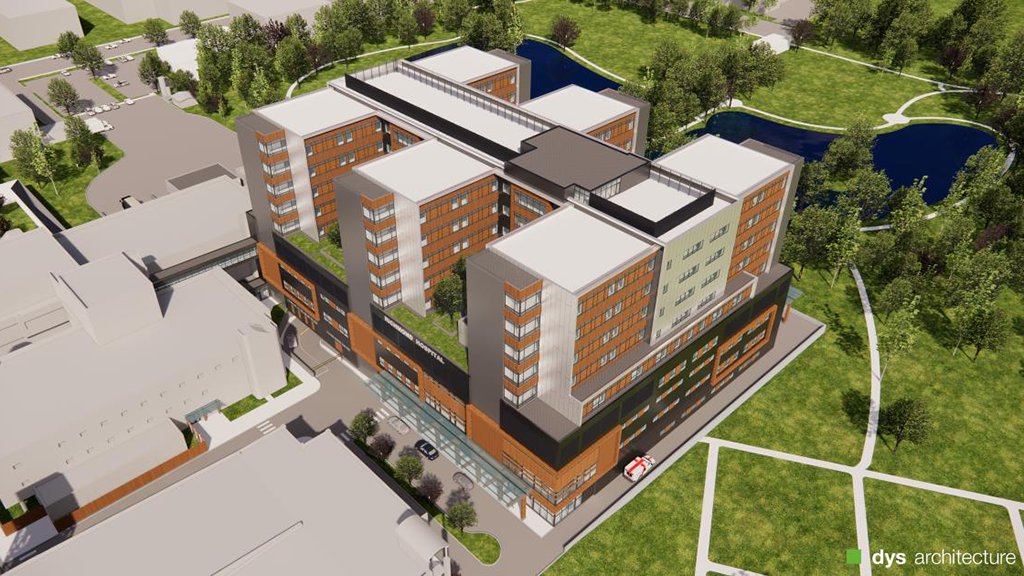
Some ICI projects mentioned that are helping with the near-term growth include the Richmond Hospital expansion and the new acute care tower at the University Hospital of Northern British Columbia.
By 2035, non-residential construction employment is projected to increase by five per cent compared to 2025 levels, with significant gains expected in ICI buildings construction and non-residential maintenance activity.
“Although our outlook forecasts demand for non-residential construction to step down from the peak it reaches in the near term, it is important to not overlook the additional demand for workers that could be created by a long list of proposed resource-development projects that have been announced, but which have not yet been modeled into our forecast scenario,” clarifies Irwin Bess, executive director of BuildForce Canada in a statement. “Any of these could create significant upward demand pressures in the non-residential sector.
“Additionally, it is important to remember that the projected slowdown in demand for residential construction over the forecast period is a function of the market returning to near-normal levels after several years of high-tempo activity.”
Overall, BuildForce states B.C.’s construction industry will need to recruit 48,200 additional workers over the forecast period. Of those, 46,700 workers – or 22 per cent of the current construction labour force – are expected to retire during this period.
By 2035, the industry could face a deficit of 7,400 workers unless anticipated recruitment is increased.
“With non-residential construction demands rising to especially high levels in the very near future, the industry must keep a sharp focus on recruiting into the skilled trades and creating opportunities for displaced residential workers to fill potential gaps,” says Chris Atchison, president of the British Columbia Construction Association.
To further examine the sector in B.C., BuildForce took a look at three key areas, the Lower Mainland, the Thompson-Okanagan region and Vancouver Island.
THE LOWER MAINLAND
Greater Vancouver, Fraser Valley, the Sunshine Coast, Squamish and Lillooet, reported an overall gain in construction activity in 2025 as a notable increase in non-residential activity supplemented a modest rise in the residential sector. With the outlook calling for growth to slow in both components to 2035, employment in each is projected to contract. Residential employment is projected to decline by 15 per cent compared to 2025 levels. Non-residential is anticipated to move three per cent lower over the forecast period.
THOMPSON-OKANAGAN
New to this year’s forecast, the region includes Kelowna, Kamloops, Penticton, Salmon Arm, Vernon, Golden and Revelstoke. Construction investment levels slowed in the region in 2025, with reductions in both the residential and non-residential sectors. Activity in the non-residential sector is slated to rise by 2035 and will offset a contraction in residential-sector investment. A projected decline in new-housing demand leads to an overall residential employment contraction of 11 per cent over 2025 levels by 2035. ICI buildings and non-residential maintenance help to increase non-residential employment by six per cent.
VANCOUVER ISLAND
This area includes the Capital Region, Cowichan Valley, Nanaimo, Alberni-Clayoquot, Strathcona, Comox Valley, Powell River, Mount Waddington and Central Coast. Investment in both sectors is generally expected to trend lower into 2035, but with losses exclusive to the residential sector, the report notes. Contracting demand for new housing in particular is expected to reduce residential employment levels by 15 per cent compared to 2025 levels by 2035. Non-residential employment is projected to remain largely unchanged as gains in employment relating to ICI buildings and non-residential maintenance offset an expected decline in employment relating to engineering construction activity.