The move is part of a programme by parent Etex to reduce Scope 1 and Scope 2 emissions by 35%, through a combination of actions including increased use of recycled materials and a zero waste to landfill pledge.
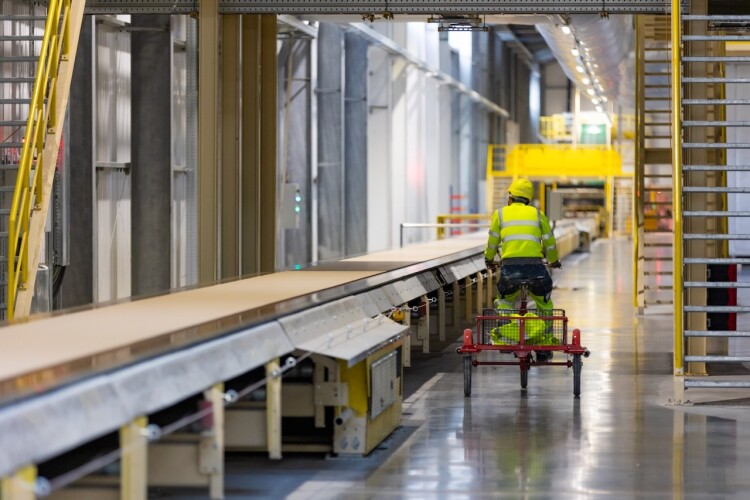
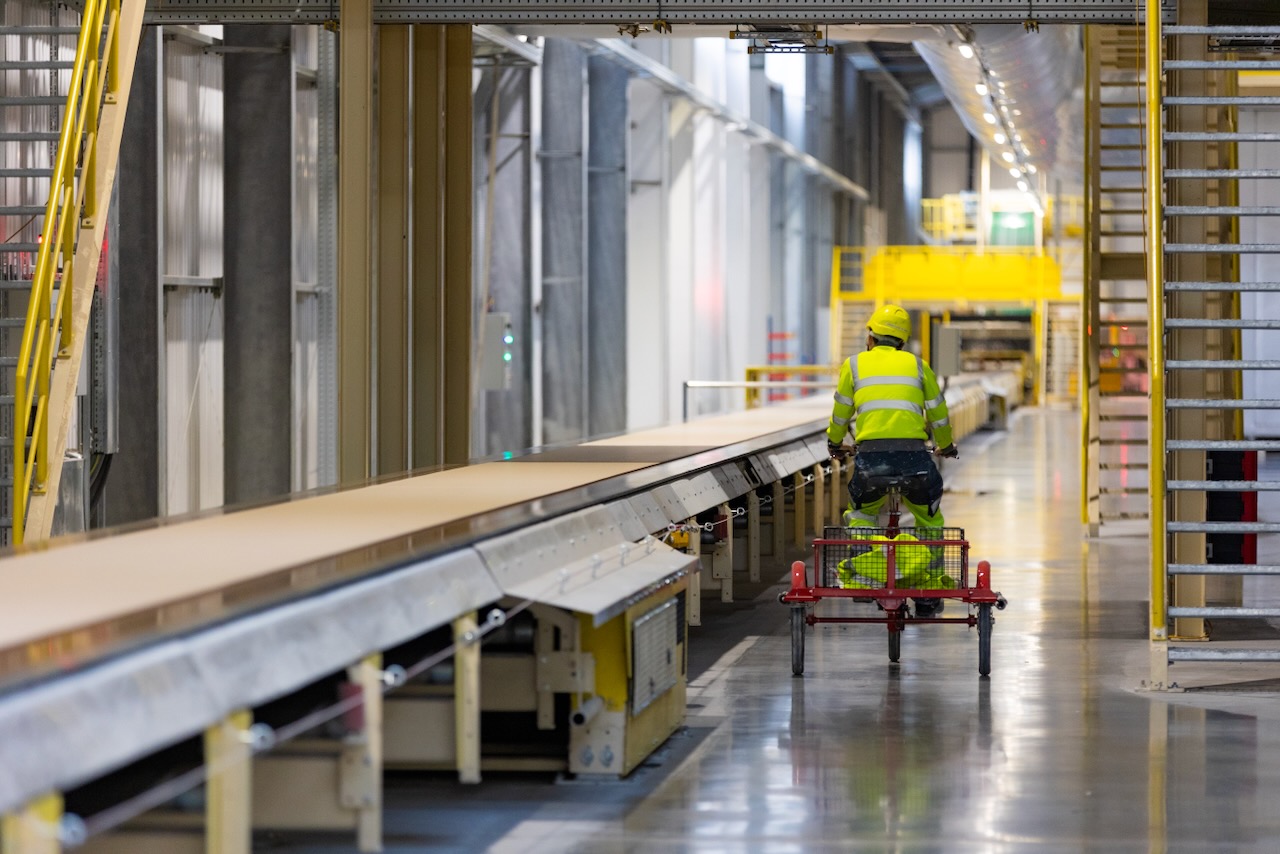
The manufacturer opened a new production line at its Bristol headquarters in March 2025, and invested in improvements to its Ferrybridge facility. The introduction of the new line allowed Siniat to retire older equipment and take advantage of the latest technology to achieve improved thermal performance and a reduction in energy intensity per tonne of product.
The carbon intensity data is reflected in verified Environmental Product Declarations (EPDs), which now cover more than 86% of Siniat products, enabling specifiers, contractors and architects to incorporate accurate sustainability reporting into their projects.
Oliver Cripps, head of sustainability at Siniat, said: “We are continuously evaluating our targets and are committed to decarbonisation.

“Sharing information on our progress is also really important to us to ensure our customers can make transparent product evaluations and select the materials that achieve both performance and environmental targets across a wide range of building projects.
“EPDs help to identify low carbon options and give confidence to our customers in their purchasing decisions. We are now looking to review the EPDs we have covering 86% of Siniat products to show the carbon intensity improvement. This enables our customers to own their reporting obligations and meet targets at a project level.”
He added: “Working towards our environmental targets translates into better products and drives innovation. These improvements have a positive impact along the supply chain supporting initiatives such as the UK Net Zero Carbon Building Standard.”
Got a story? Email [email protected]