Whether it’s lifestyle or updated trends, consumers are often revising their tastes, budgets and how they shop for home furnishings. We asked three retailers what consumer buying changes they’re seeing, and how they are adjusting their business strategies in 2026 to ensure they deliver for their customers.
Are you seeing a change in consumer buying habits based on lifestyle, trends or other factors?

Carla Snowdon, Tidewater Lighting, Conn.: Yes, we have. Regarding style, it seems the trends are leaning casual. For example, in my area, no one seems to have a formal dining room anymore. What used to be a dining room has become an office or extra space for guests.
Consumers are also not buying as impulsively. They are being more thoughtful in their purchases and spending more on quality fixtures. This tells me they are after timeless looks that will evolve and work in the home long-term. Consumers are also being somewhat conservative in their spending, and if they are buying, they are prioritizing needs.

Heather Osmond, Osmond Designs, Utah: Utahns care deeply about creating a home that feels warm, welcoming and beautiful. That hasn’t changed. What has changed is the level of intention behind every purchase. Our consumers want pieces that last. They’re taking the time to find high-quality furnishings that offer style and durability. The idea of “buy once, buy well,” is stronger than ever.
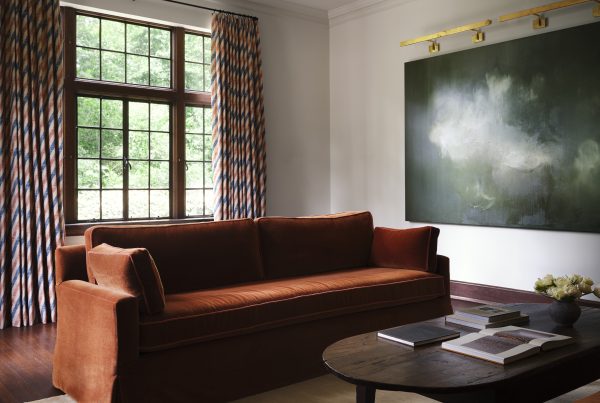
Trend-wise, warm, cozy and nature-inspired is outperforming colder, minimalist looks, and we continue to see high demand for furniture that adapts to evolving lifestyles, such as flexible guest spaces. Something we’re hearing more often — people want a home that feels intentional, not accidental.

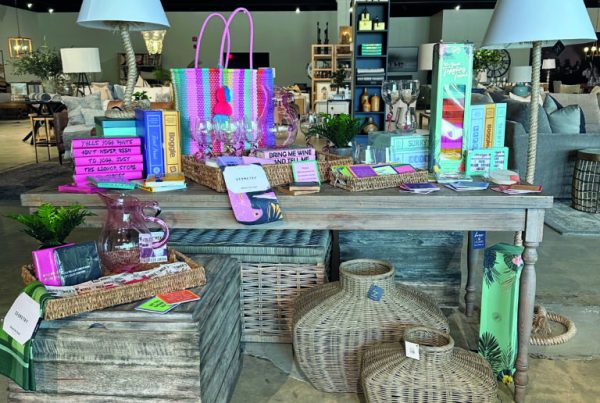
Susan Mason, Bend the Trend, Ga.: We’ve definitely noticed a change in how people shop for furniture and home accessories. There is growing interest in unique, curated items that make a home feel personal and one-of-a-kind. We believe this direction will continue — customers are looking for spaces that are not only beautiful but also functional and tailored to their lifestyles. With our in-house design team, we’ve been able to guide our customers through blending newer design trends with their existing, more traditional pieces.
Stay tuned tomorrow to find out if consumer buying affects retailer’s buying decisions and product assortments.