
Hi, Vicki & Tom here, taking a look at store product mix.
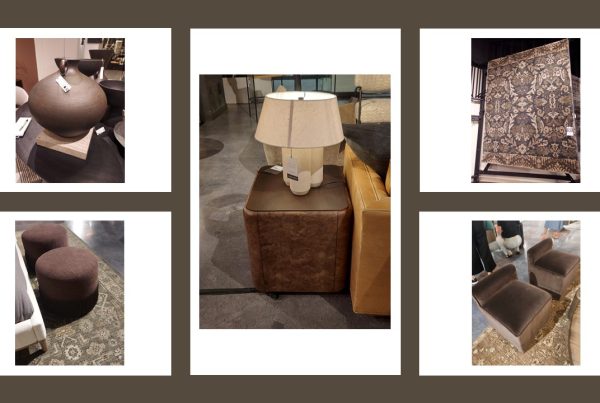
Vicki: This is one of my favorite yet most challenging areas of our business. On a very fundamental level, we need to decide what kind of store are we? From the start we wanted to build Duo Home as a lifestyle platform, defined by us as furniture, rug, gift and tabletop.
Tom: One of the more unusual ways an unexpected product line developed for us was via tabletop. We originally sold linens and tableware but not dining tables. After a short while, it seemed like a lost sales opportunity. So that year we focused our efforts at the High Point furniture market to find a company that made tables that complemented our store aesthetic and brand. It turned out to be a good investment and decision. (whew!)
Vicki: Another example of this idea is via our coffee mug sales. We had good success with coffee mugs, but the merchandising seemed lackluster. As a result of one of our in-store events, I became aware of a local coffee roaster and started carrying their coffee as a complementary item to our coffee mugs. Not long after that I broadened our gift items to include Italian moka pots and espresso cups. Are we a specialty food store? No, but they fit into our kitchen/dining category and make a great gift grouping. Later, we added teas, teapots and hot cocoa.
Tom: There are a few questions that need to be addressed if thinking of adding a new category. One, will adding too many categories dilute your brand or message? This is especially important if they are not complementary to something you already have.
Two, are you taking precious floor space to sell something with low margins and slow turnaround? This is a much bigger issue if your store space is smaller and more expensive per square foot.
And three, do you have a good plan or idea of how to merchandise this new category? Just setting a few pieces of stationery out doesn’t create a compelling visual story. Yet, with all my cautionary talk above, sometimes you need to trust your instincts, take the risk and put it in your store. Despite being a finance guy, I understand that in this independent retailer world, it’s not always as clear as a spreadsheet.
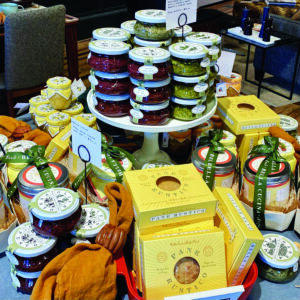
Vicki: Sometimes a new category is not well thought-out and that can cause some stress. I was at AmericasMart in Atlanta last year with our store manager Jack, and we made the mistake of being hungry as we started out on the first day. As you can guess, we happened by a fabulous booth with a lot of tasty samples. I don’t know about the rest of you, but the first half of 2025 was lean, and we were on a tight budget that did not include pesto, no matter how good it was.
At dinner that night I looked at Jack and exclaimed “What did we do? Why in the world did we buy all that pesto? But Jack was confident it would sell. I trusted him. The pesto showed up and we set up a display towards the front of the store using our table linens and brightly colored bakeware. During the holiday season we had samples set out for our customers. The pesto flew out of the store and we had to reorder. Have I mentioned how awesome Jack is?
Tom: One category that we added in the first year of our store was a small children’s section. With all the grandparents shopping in our store, we thought it was a natural addition. Kids books, baby blankets, etc. Unfortunately, I think we didn’t go big enough. It seemed like an afterthought, not a real category. We were not the place people thought of when they needed something for a baby or child. After some thinking about our store mix, we made the decision to put it all on sale rather than buy more to fill out the section.
Vicki: This is a subject worthy of a book, but it boils down to a balancing act — what kind of store are we, what do our customers need/want, what is my budget and space options? The best thing about independent retail is if something is not working, you can change it. Don’t get caught up in a misstep or decision that didn’t work out the way you had hoped. Sell off the product (or donate some of it to a local charity) and move forward.
Vicki Rulli and Tom Heaphey are the owners of Duo Home in Springfield, Ohio