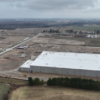
Two major industrial projects pushed Brant County construction to a total value of just over $306.3 million in 2025, surpassing the area’s $300 million mark for the first time.
This represents a 50 per cent growth in construction value from the previous three-year average. The industrial sector is driving much of the increase with 44 building permits being issued, totalling just over $150 million.
Brant County issued 803 building permits last year, beating the previous record that was set in 2022.
“This represents an increase of 326 per cent in CV (construction value) compared to the previous three-year average for industrial building permits. The construction value for commercial, institutional and farm projects is substantially higher than in previous years as well, totalling just over $44.5 million in construction value,” stated a 2025 building activity report from Adam Rosebrugh, Brant County deputy chief building official.
The highest-value permit of $64 million in 2025 is for Brimich Real Holdings Inc. for a new warehouse complete with offices and storage racking at 635 Oak Park Rd.
Project permits include:
- Industrial permit for structural steel – $5.4 million, issued March 2025.
- Industrial permits for a new cold storage building – $45 million, a new racking system, $13.7 million, and sewage system new holding tank, $63,000 – all issued in July 2025.
The second highest-value permit of $41 million is for Amazon Canada, which is building a new warehouse at 50 Astle Ave.
“The new facility, spanning over 200,000 square feet, will serve as a last mile delivery station where packages received from Amazon fulfilment centres are sorted and loaded onto delivery vehicles for final distribution to customers,” said a news release from Brant County Economic Development of the Panattoni Development Company led project.
“This delivery station will enhance delivery services for customers in the region and surrounding communities. The facility will create employment opportunities including full-time, part-time and driver positions through Amazon’s delivery service partners.”
Other projects and their various permits contributing to this benchmark are:
- 1000190435 Ontario Inc., located at 1228 Colborne St. E. with a total of $5.7 million for a new warehouse comprised of:
- Industrial permit for a new foundation – $400,000, issued March 2025.
- Industrial permit for a new warehouse – $5.3 million, issued April 2025.
- Industrial permit for a new sewage system – $25,000, issued May 2025.
- Soprema Canada Inc., located at 30 Woodslee Ave. with a CV of $6 million for interior renovations.
Permits include:
-
- Industrial permit for an attached sign, $4,000, issued December 2025.
- Industrial permit for a front canopy addition with interior office and lunchroom renovations – $3 million, issued March 2025.
- Industrial permit for a production line – $3 million, issued June 2025.
- Vicano Developments Limited, located at 150 Markel Dr. with a CV of $4.1 million for a warehouse addition.
- Industrial permit for an above-grade addition – $4.1 million, issued May 2025.
Although industrial, commercial, institutional and farm CV has substantially increased, residential building permits in the area have grossly declined.
According to the report from development services, in 2025, the County of Brant issued building permits for 273 new dwelling units, including 167 single detached units, 52 apartments, 16 townhouses and 38 additional residential units. These numbers represent an approximate 28 per cent decrease in residential building permits issued compared to the previous three-year average.
In response to the reasoning behind the 2025 data, Ike Keesmaat, president of the Haldimand-Norfolk Home Builders’ Association said, “These numbers show there’s still strong investment in industrial and commercial development, which is good to see. However, residential construction is under real pressure right now. Builders are navigating higher interest rates, escalating construction costs, development charges and layers of approvals that add time and cost to housing projects. The demand for homes is still there, it is the environment to build them has become much more difficult.”