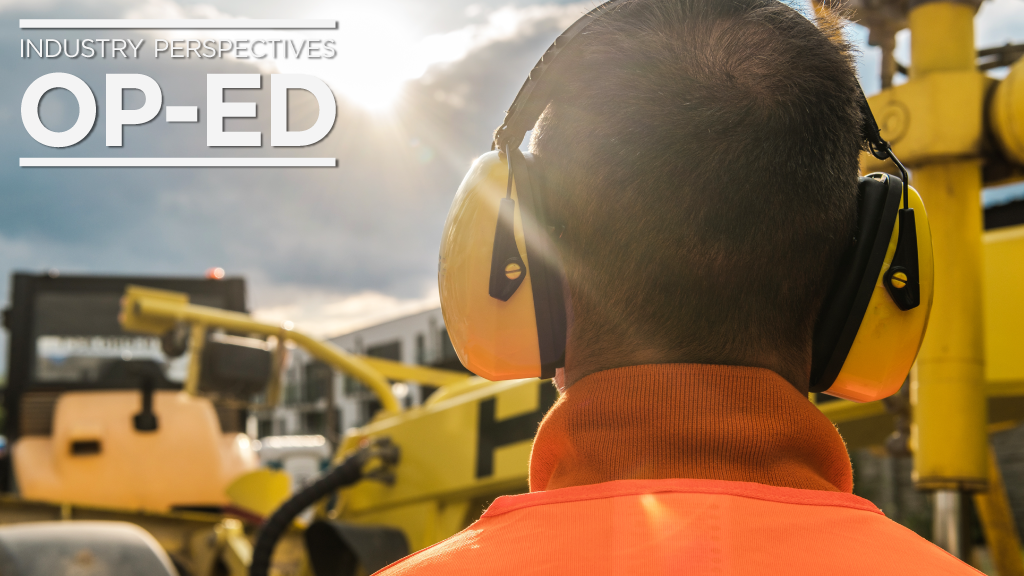
Safety is mission-critical in construction and the skilled trades. Every Canadian jobsite includes hard hats, steel-toed boots, fall arrest systems and high-visibility vests as a standard. But there’s one tool that is often overlooked: hearing protection.
From framing and forming to welding, demolition and heavy equipment operation, tradespeople work in environments where high noise levels are the norm. Exposure to these noises can contribute to hearing loss over time, often going unnoticed until communication becomes difficult.
To build a strong safety culture in construction, hearing health, unironically, needs to be part of the conversation.
The reality of noise on jobsites
Noise-induced hearing loss (NIHL) occurs when the inner ear is damaged by loud sounds. This damage can happen gradually from prolonged noise exposure or suddenly from a single, very loud sound. NIHL often develops without pain, which can make it difficult to notice at first.
Many tradespeople may not realize their hearing is changing until they begin asking co-workers to repeat instructions or notice ringing in their ears, which is a condition known as tinnitus.
Understanding noise levels
Noise levels are measured in decibels (dB). A safe decibel level is around 60 to 65 dB. However, once sound levels reach 85 dB or higher, as is the case with power tools, compressors, jackhammers and heavy machinery, hearing protection is recommended. For every three dB increase above 85 dB, safe hearing exposure time is cut in half.
Safety risks beyond the obvious
When hearing starts to change, the impact goes beyond missing a few words in a conversation. On a construction site, the ability to hear clearly can affect situational awareness.
Tradespeople often rely on sound cues to identify potential hazards. Those struggling to hear may be at higher risk of incidents.
Potential safety concerns include:
- Not hearing backup alarms from trucks or heavy equipment
- Missing shouted warnings about falling materials or hazards
- Difficulty detecting changes in machinery sounds that signal mechanical issues
- Misunderstanding instructions during high-risk tasks
- Lower awareness in confined or low-visibility environments
The broader health implications
Hearing loss is often perceived as an isolated ear issue, but research shows it can affect overall well-being.
Tradespeople experiencing untreated hearing loss may report:
- Fatigue from straining to hear conversations
- Greater stress levels in noisy or group settings
- Harder time concentrating on complex tasks
- Experiencing frustration during team communication
- Withdrawing from social interaction at work or at home
Straining to hear throughout the day requires more cognitive effort. Over time, that added strain can affect focus and mental energy, which are essential on demanding jobsites.
Recognizing these broader implications can help reframe hearing care not just for personal reasons but also as a way to maintain workforce resilience and long-term career sustainability.
Making hearing part of the safety culture
Construction has made significant progress in embedding safety into daily operations. From hazard assessments to ongoing training that reinforces the idea that prevention is everyone’s responsibility and doesn’t rest solely on the tradeworkers’ shoulders.
Practical steps may include:
- Consistent use of properly fitted earplugs or earmuffs when working in high-noise areas
- Selecting hearing protection appropriate for the task and noise level
- Rotating tasks when possible to mitigate prolonged exposure
- Taking breaks in quieter areas
- Encouraging open conversations about tinnitus or early signs of hearing loss
Prioritizing hearing health
Modern hearing protection is designed to reduce harmful noise while still allowing awareness of speech and warning signals when used correctly. Effective hearing care often requires professional support.
Regular hearing tests are another component. They usually involve:
- Taking a hearing test early in a tradesperson’s career provides a reference point for future comparison.
- Frequent check-ups and ongoing monitoring can help identify changes before they interfere with communication or safety.
If signs of hearing loss are found, a hearing care professional may recommend hearing aids. Today’s hearing aids are discreet and technologically advanced, designed to support speech clarity even in challenging listening environments.
A career-long investment
The skilled trades demand physical strength, technical knowledge and long hours. Hearing is equally important to perform these roles effectively. As industry leaders continue to emphasize safety, productivity and retention, hearing health deserves recognition for its significant role in these areas.
Integrating hearing awareness into safety planning sends a clear message: long-term well-being matters. Just as we would not ask a worker to forego eye protection or respiratory protection, we should not overlook the importance of hearing protection and regular hearing tests.
In construction, hearing matters just as much as vision and should be treated with the same care as any other critical tool.
Disclaimer: This is not professional medical advice. Please consult a hearing care specialist to address your unique needs.
Katie Koebel is the senior manager of audiology at HearingLife, Canada’s largest group of hearing centres with over 350 locations across the country. Send Industry Perspectives Op-Ed comment and column ideas to [email protected].