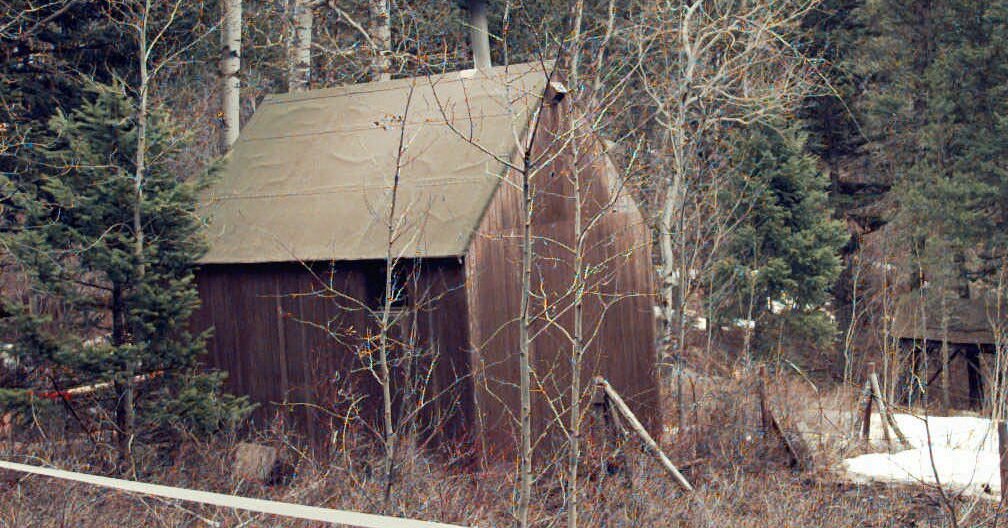
On April 3, 1996, federal agents arrested Theodore Kaczynski, also known as the Unabomber, after a 17-year investigation. They removed the man the F.B.I. called “the twisted genius” from a small, one-room wooden cabin in rural Montana, which had no electricity or running water.
Now that dingy, dark, cocoa-brown cabin — where Kaczynski built bombs that killed three people and injured many more — lives fully rebuilt in a storage room at the F.B.I.’s Washington, D.C. headquarters, near a facsimile of the pressure cooker bomb used in the Boston Marathon bombing and an ancient bureau office chair.
It sits mostly empty but intact, missing only a front door and a few windowpanes. Its sharply peaked roof is wedged so high into the ceiling ductwork it looks almost as if the building grew up around it.
The F.B.I. hopes to one day have room to display it in The F.B.I Experience, the museum it currently maintains upstairs, to properly convey the giant grip the tiny home had on the American psyche for decades after Kaczynski’s arrest 30 years ago.
The Unabomber case is still considered one of the most important in the agency’s history, said John Fox, who has been the agency’s historian since 2003. The investigation involved the F.B.I., the A.T.F. and the U.S. Postal Inspection Service, tips from the public (leading to the release of the infamous sketch of the Unabomber in a hooded sweatshirt and sunglasses) and the atypical publication, in The Washington Post with support from The New York Times, of Kaczynski’s anti-technology manifesto, which ultimately led to his arrest.