HIGH POINT — Science in Design, an educational and marketing platform focused on the application of neuroscience, biophilia, and evidence-based design principles within the home furnishings and interior design industries, will debut a new initiative designed to recognize manufacturers whose products contribute to healthier, more restorative living environments at the October High Point Market.
The Science Scouts Program will deploy a team of 12 Science in Design-certified professionals throughout High Point Market to identify furnishings, lighting, accessories, textiles and other products that exemplify the principles of neuroaesthetics and biophilic design. The two rapidly growing disciplines explore how thoughtfully designed environments positively influence human health and well-being.
Health and wellness is at the core of the new Science Scouts Program. As consumers increasingly seek homes that reduce stress, improve mood, and support wellness, the Science Scouts initiative will help highlight exhibitors whose products reflect these evidence-based design principles.
See also:
- Science in Design to present health-focused keynote at High Point Market
- Consumer demand: Is health and wellness the new ‘must have?’

“For years, manufacturers have been creating products that naturally help people feel calmer, more comfortable, and more connected to their surroundings,” said Mike Peterson, founder of Science in Design. “Unfortunately, they haven’t been recognized for the health benefits their designs provide. Our goal is to shine a spotlight on these companies and help the industry understand that great design isn’t just beautiful; it can measurably improve the way people feel.”
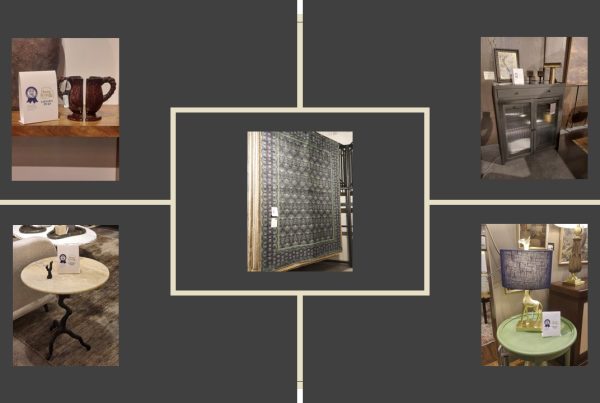
Prior to market, the Science Scouts, using criteria established by Terrapin Brightgreen, a noted leader in neuroaesthetics and biophilia, will establish a standardized evaluation framework based on scientific research in neuroaesthetics and biophilic design. During market, products meeting the criteria will receive an official Science in Design Approved designation displayed within exhibitors’ showrooms. Honored products will also be photographed and featured in post-market marketing, educational programs and industry communications.
The initiative reflects the growing body of research demonstrating that the built environment directly influences human physiology and emotional well-being. According to Peterson, studies have shown that design incorporating neuroaesthetic and biophilic principles reduce stress, lower heart rate and blood pressure, elevate mood, and stimulate the release of serotonin and dopamine, natural chemicals associated with relaxation, focus and overall wellness.
“As health and wellbeing continue to become the defining trends in residential design, the furniture industry has an extraordinary opportunity to lead,” Peterson said. “Manufacturers have been practicing many of these principles intuitively for decades. Now science is validating their work, and it’s time to recognize that leadership.”
The Science Scouts Program is expected to become a recurring feature of future High Point Markets, creating an ongoing platform for recognizing innovation at the intersection of design, science, and human health.
Manufacturers and exhibitors interested in having their products considered for Science in Design Approved recognition are encouraged to contact Science in Design prior to market. Throughout High Point Market, attendees can also learn more about the Science Scouts initiative, the evaluation criteria and the science behind wellness-centered design by visiting the Science in Design team and following the organization’s market coverage on its digital channels.