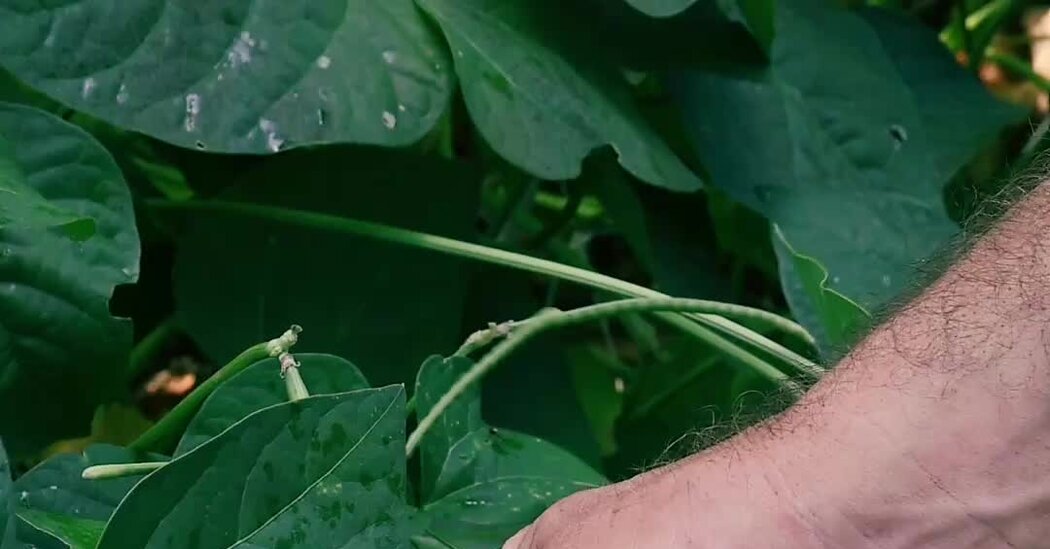
A forgotten patch of spring-sown arugula is bolting. A cucumber hidden among its own foliage is heading toward too fat to eat, its skin starting to discolor. Neither, though, need be a lost cause.
Could the vegetable garden, with past-prime hints like those alongside its bounty of ripe tomatoes, be trying to tell us something, reminding us of its alter ego as a seed garden?
Yes, seed saving is an “old-timey thing that’s fun to experiment with,” said Bill Braun, an organic seed farmer who co-founded the nonprofit Freed Seed Federation in Dartmouth, Mass., “but it’s so much more, too.”
By learning to save seed, he added, we “can start to re-center seed as the heart and soul of how food is grown rather than just one more interesting bit about gardening.”
Seed is our most powerful garden tool, but it isn’t one size fits all. Regionally adapted seed — those from plants farmed over multiple generations in a particular geographic area and climate conditions — can offer additional resilience. In a time of escalating climate pressures, every such advantage is especially welcome.