On a morning in April, a golf cart revved along a dirt road between an apple orchard and a blueberry field in Great Barrington, Mass. With a brimmed hat and a white mustache, Dennis Mareb toured his two passengers, a business broker and a potential buyer, past the groves and around his property, Windy Hill Farm.
There were around 34 acres of rolling farmland, two houses and a bustling garden supply shop. There were also woods and protected wetlands. High on the hilltop sat the timber-framed home that Mr. Mareb and his wife, Judy Mareb, built in the 1990s. It was surrounded by expertly kept vegetable gardens.
But after running the farm for decades, the couple had put it all — the house, about 70 acres of land and their floral, nursery and orchard business — up for sale a couple of weeks prior, kicking off what they knew would be a challenging search for the right buyer. Because of a state restriction, Windy Hill’s next owner must have experience in agriculture, or be willing to learn. And these days, farmers are hard to find.
After the tour, the golf cart was plugged in to charge in the garage. The next day, shortly after Mrs. Mareb, 77, and their Airedale terrier, Champ, headed down the hill to the office, the garage exploded into flames.
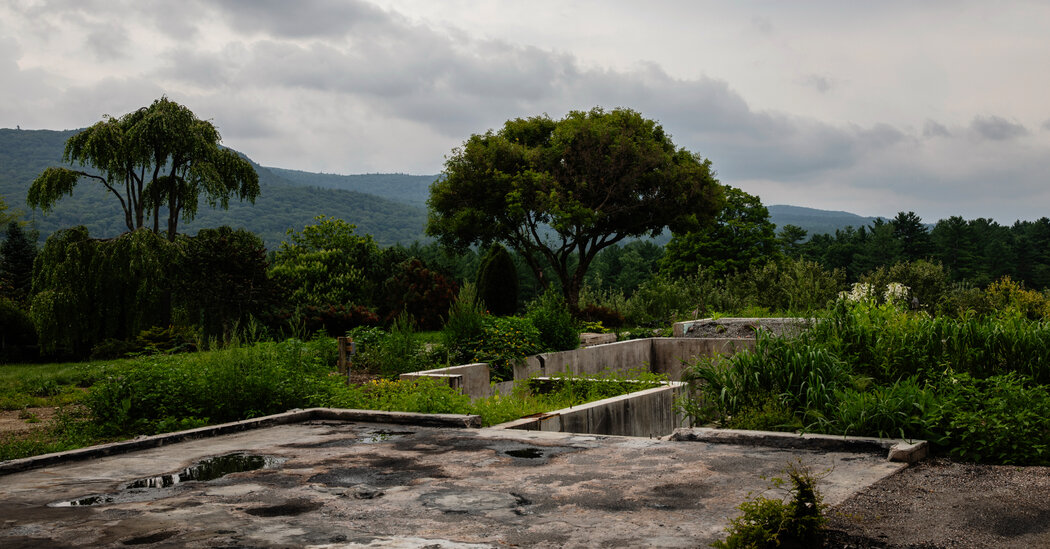
Emergency responders from neighboring towns descended, but the house, which had just been assessed at $1.095 million, burned to the ground, a change of terms that shaped the pool of prospective buyers even further.