BuildForce Canada has released its annual Construction and Maintenance Looking Forward reports for the residential and non-residential construction sectors. This particular story pertains to Alberta and covers the forecast period from 2026 to 2035. The Daily Commercial News will have more provincial breakdowns from across Canada as well as national coverage in upcoming articles.
EDMONTON — Construction activity in Alberta is expected to rise through to 2035, but some levelling out will take place, BuildForce reports.
Sustained growth in non-residential construction activity is expected and is combined with elevated, although moderating, levels of residential construction.
Residential investment is forecast to reach a peak in 2026 before receding in the near term as declining demand for new housing, driven by reductions in population growth, outweighs modest growth in residential renovation activity. Further contractions in housing starts are projected into the early 2030s, before returning to growth through to the end of the forecast period. Renovation-related demands continue to rise.
Employment in this sector is projected to decline by 16 per cent compared to 2025 levels by 2035, with losses exclusive to the new-housing component, BuildForce notes.
In contrast, non-residential construction investment is expected to rise almost continuously across the decade, with both engineering construction and ICI buildings construction contributing to growth.
Engineering construction activity is expected to remain elevated into the medium term, driven by investments in oil and gas, utilities and transportation infrastructure, including major light rail transit projects and pipeline developments.
Projects such as light rail transit in Calgary and Edmonton and the Yellowhead Mainline Natural Gas Pipeline sustain investment into 2029.
Although activity moderates into 2031 with project completions, a renewed growth period follows.
Investment in ICI buildings construction is projected to steadily increase.
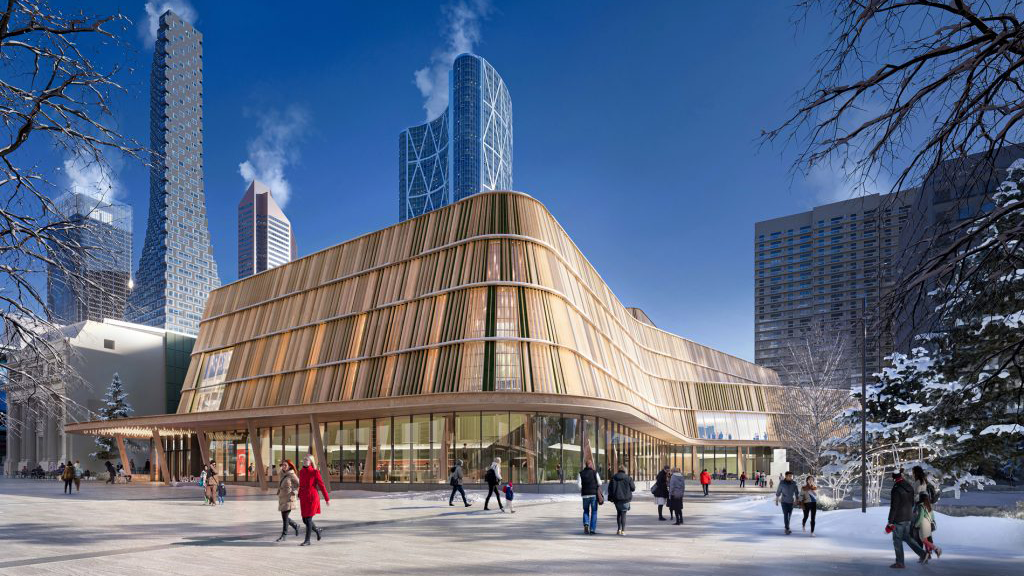
Growth in commercial construction is expected to be driven by major projects such as the Scotia Place Calgary Arena and Calgary Arts Commons.
Institutional construction activity is supported by health care and education investments, including the Red Deer Regional Hospital expansion and the School Construction Accelerator Program. Industrial construction is expected to fluctuate in line with the timing of major manufacturing projects, the release notes.
By 2035, non-residential construction employment is projected to rise by 15 per cent compared to 2025 levels, with employment relating to ICI buildings construction increasing by 31 per cent and engineering construction employment rising by 10 per cent.
“Alberta’s construction outlook continues to be driven by strong levels of non-residential construction growth and elevated levels of non-residential maintenance activity,” says Irwin Bess, executive director of BuildForce Canada, in a statment. “Conversely, the decline in residential activity should be viewed in context: this is a moderation from peak levels rather than a significant contraction.”
All of this growth needs workers. The provincial labour force will need to add 48,800 workers by 2035. That figure is driven principally by the projected retirement of 43,700 workers, or 21 per cent of the construction 2025 labour force. The projected recruiting of 43,500 first-time new entrants from the local population may lead to a shortfall of as many as 5,300 construction workers by the end of the decade.
“Alberta continues to benefit from having one of the youngest provincial demographics in the country,” says Terry Parker, Executive Director of the Building Trades of Alberta. “We are now seeing the number of new entrants coming into the construction sector almost equal the number exiting due to retirement, which is an encouraging trend.”