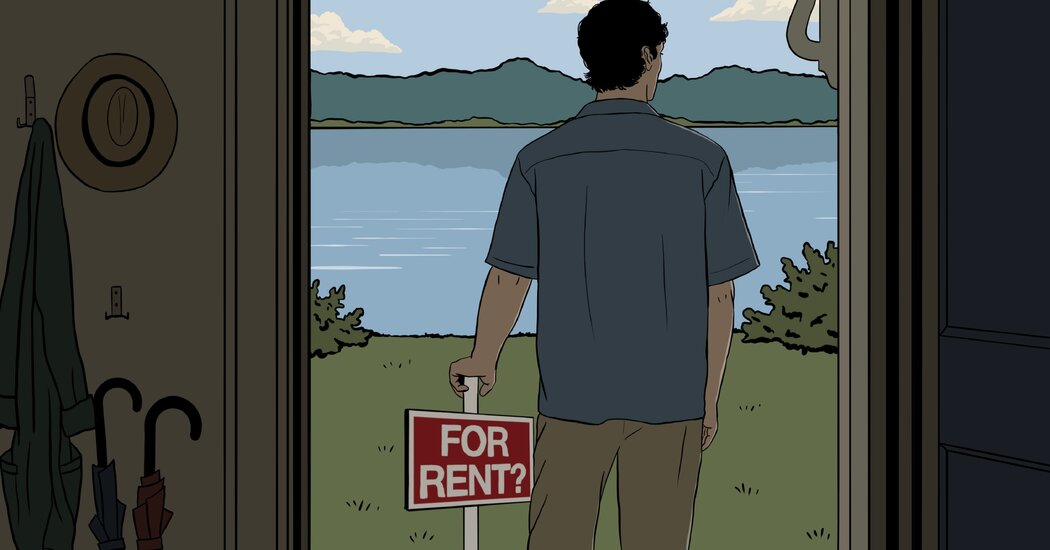
Q: I’m considering converting my lake house to a rental and advertising it on short-term rental platforms. What kind of research should I do? What should I know before I make this decision?
A: Hosting a short-term rental comes with a lot of responsibilities — to your guests, to your community and to the law. There could be legal consequences to renting out your home, so due diligence is crucial.
“I encourage people not to think of hosting as passive income,” said Dolly Duran, an Airbnb superhost ambassador who helps new hosts get started.
The first thing to do is to check the laws in your municipality. Regulations for short-term rentals differ from place to place, so find out whether it’s even allowed. If it is, investigate the permitting requirements, taxes and licensing rules with your town. If your lake house is in a homeowners’ association or something similar, you must learn those regulations, too.
Once you establish that it’s legal, think about why you want to do this. Is it to cover your mortgage and taxes, or are you trying to be an entrepreneur in the short-term rental industry? Each will require a different level of attention and investment. When your goals are clear, check whether the economics make sense. Start by looking to see how other rentals perform in your area.
Should you choose to move forward, do it with full commitment because short-term rental platforms demand high standards from hosts, and online reviews will quickly reveal if your guests are not having a good experience. If you aren’t interested in dedicating a lot of time and energy to this — not to mention being on-call for your guests — you should hire an experienced professional vacation rental manager.
Professional managers can help you understand the economics of renting your house and how best to serve your guests. They have local knowledge and will help price your property in a way that makes sense. For example, they’ll be aware of any events that will draw visitors to your town.
You should also check in with your neighbors about your plans. Regardless of the law, they can make your life very difficult for you and your renters if you don’t proceed responsibly.
“Neighbors, in my experience, don’t like surprises,” said David Krauss, co-founder and CEO of Rent Responsibly. “With vacation rentals, it’s an opportunity to create friends and a second set of eyes. Or it could be the exact opposite.”