Unlocking more value from every rental takes equipment from a cost to a strategic advantage
Picture this scenario: A site supervisor needs a telehandler for last-minute work on a new project. Before placing the rental order, they check the data. Several telehandlers are already on rent, sitting unused across other jobsites. GPS tracking identifies the nearest available unit and it’s reassigned the same day. No new rental, no delay. Work continues without interruption.
That single decision saved money. Replicated across dozens of jobsites and projects, it can have a real impact on day-to-day operations and long-term profitability.
This shift is happening across the industry. Contractors who once opened every equipment conversation with “What’s your lowest rate?” are asking a better question of their rental provider like: “How can you help us stay competitive?”
They recognize that equipment availability is only part of the equation. The real advantage comes from having the visibility, data and support needed to make smarter jobsite decisions.
The rental rate is not the cost
When contractors look to reduce costs, rental rates are usually the first target. But a closer look often reveals something different: equipment that’s on rent but barely being used.
Without clear insights into the location and use of equipment, rental costs can escalate quickly. Equipment stays onsite long after it’s needed, rental weeks accumulate on underutilized assets and new machines are ordered even though equipment may already be available on other jobsites.
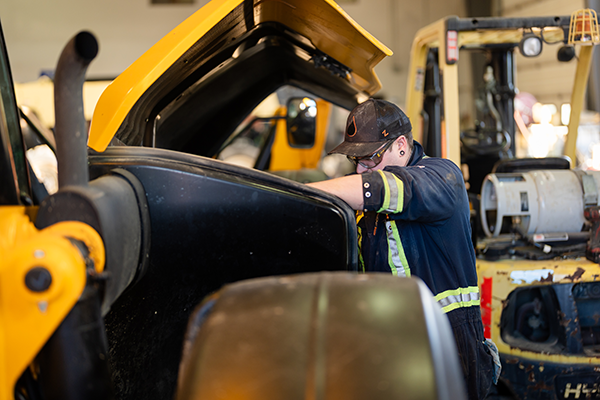
Consider a contractor negotiating a lower monthly rate on their rental fleet. While rate reductions can generate savings, a review of utilization data shows several machines have been running only a few hours per week. By off-renting those idle units, the contractor saves significantly more than any rate reduction would have delivered.
This example highlights an important reality: The largest opportunities to reduce rental spend often have less to do with the rate itself and more to do with how equipment is managed. And by connecting utilization data across multiple projects and jobsites, contractors gain the insights needed to identify idle or underperforming assets, deploy equipment where it’s needed most and off-rent machines that no longer provide value.
The value of choosing the right machine
When we evaluate equipment decisions through the lens of total cost of operation rather than rental price alone, it’s easier to see how productivity, utilization, fuel efficiency and project timelines play an important role in determining the true cost of a rental decision.
For example: A smaller machine with a lower rate might seem like the obvious choice until you account for how long it takes to complete the work. Any initial savings can quickly disappear through added labour hours, extended project timelines and increased fuel consumption.
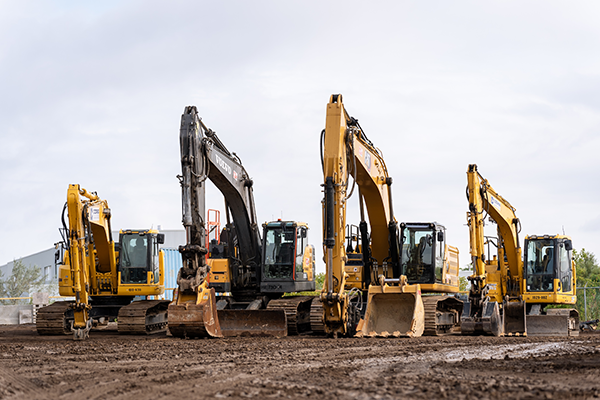
A larger machine with a slightly higher rate may complete the same task in a single day. While the upfront rental rate is higher, the overall cost is lower since the work gets done faster and more efficiently.
Applied across an entire fleet, this type of analysis can become complex without the right partner on board. An experienced rental provider brings real value by helping contractors look beyond the rate and make data-driven decisions. By matching the right equipment to each application and leveraging real-time utilization data, rental partners can identify opportunities to improve productivity, reduce idle time and control overall rental spend.
Strong rental partnerships pay off
Rental rates are often the first line item contractors notice on a quote, but a low rate offers little value if equipment breakdowns continue to delay work, create safety concerns or lead to last-minute equipment replacements.
None of these appear on a quote, but all of them affect the bottom line.
The less visible benefits of a strong rental partnership matter just as much as the rate. Responsive service technicians who can resolve issues onsite before they escalate, flexible rental terms that allow quick off-renting when projects shift and newer, well-maintained equipment that burns less fuel, runs more efficiently and produces fewer emissions.
And when rental providers can connect and combine multiple sources of data, it provides a clearer picture of what equipment actually costs to operate, not just the rental rate. This level of visibility replaces guesswork with confident forecasting, smarter equipment planning and fewer surprises when invoices arrive.
Turning visibility into a competitive advantage
When teams have a clear, connected view of their rental fleet – what’s on rent, where it is and how it’s being used – the way they make decisions on the jobsite changes entirely. Gut instinct and manual reporting give way to actionable data, idle assets get redeployed, stolen machines get recovered and fleet planning shifts from reactive to proactive.
The contractors seeing the most success aren’t necessarily the ones with the lowest rental rates. They’re the ones who know exactly what their equipment is doing and can act on that information quickly.
The right rental partner brings the best equipment to the table, but they also bring the data, insights and expertise needed to manage jobsites more efficiently. That’s how equipment rentals evolve from a necessary expense to an operational advantage.
Justin Wharton is vice-president of operations at Cooper Equipment Rentals. Send Industry Perspectives Op-Ed comments and columns ideas to [email protected].